


It’s easier to imagine a life with batteries in today’s modern world. Batteries play a crucial role in our daily lives, from powering smartphones to electric vehicles. However, not all batteries are created equal. Deep cycle battery lithium has been gaining popularity due to their superior performance and longer lifespan. In this blog post, we will explore how your well-being could depend on a battery, specifically the lithium factor, and how you can unlock a better quality of life using deep-cycle lithium batteries.
Understanding Lithium Deep Cycle Battery
Lithium Deep Cycle Battery distinguishes itself from traditional options, like lead-acid batteries, by their remarkable ability to undergo numerous discharge and recharge cycles with minimal loss in capacity. This endurance and resilience make them a perfect fit for applications that demand a long-lasting and stable power source. For instance, deep-cycle lithium batteries prove indispensable in the realm of renewable energy solutions such as solar panel systems. They store the energy generated during the day for use at night or during low sunlight, ensuring a constant electricity supply.
Electric vehicles (EVs) also benefit greatly from the attributes of lithium batteries. Given their superior energy density, lithium batteries can store more energy in the same space as other types, translating to longer distances driven on a single charge. This characteristic and their ability to withstand numerous charging cycles position them as the heart of the burgeoning electric vehicle market.
Moreover, deep-cycle lithium batteries exhibit a notable tolerance to deep discharge without incurring significant damage. This capability allows users to utilize a greater portion of the battery’s nominal capacity, enhancing the efficiency of devices and systems powered by these batteries. Their robust nature ensures they remain a dependable power source over time, marking a significant step forward in the quest for more reliable and sustainable energy solutions.
The Role of Deep Cycle Lithium Battery in Modern Technology
Deep Cycle Lithium Battery has become the cornerstone of technological innovation in the 21st century, underpinning the functionality of countless devices and systems integral to our contemporary lifestyle. Their unique properties, such as high energy density and rapid charging capabilities, enable modern electronics’ sleek and efficient design. For instance, the compact nature of lithium batteries has been instrumental in developing thinner, lighter laptops and smartphones without compromising power or usage time. This advancement enhances portability and user experience, allowing for greater mobility and convenience in our digital age.
Moreover, the propulsion of electric vehicles (EVs) into the mainstream automotive market owes much to lithium battery technology. These batteries’ ability to store significant amounts of energy has made long-range EVs a reality, reducing dependency on fossil fuels and paving the way for a more sustainable transportation infrastructure. Lithium batteries are pivotal in transitioning to renewable energy sources beyond personal devices and vehicles. They offer efficient storage solutions for solar and wind energy, enabling the shift towards greener grids and reducing the carbon footprint of power generation.
Lithium Batteries and Personal Well-being
The profound impact of deep-cycle lithium batteries on personal well-being cannot be overstated. Imagine the peace of mind of knowing your essential devices and systems will remain powered during critical times. For those who depend on medical devices such as CPAP machines or electric wheelchairs, this assurance is not only a matter of convenience but also of health and mobility. Lithium batteries, with their reliable energy output and longevity, ensure these devices operate effectively, minimizing disruptions in daily life and enhancing user independence.
Integrating deep-cycle lithium batteries for homeowners utilizing solar power systems translates to an uninterrupted power supply. This continuous availability of electricity supports a comfortable and secure living environment, especially during power outages or natural disasters. The ability to store and utilize solar energy efficiently sustains household operations and contributes to reducing energy costs, further elevating one’s quality of life.
Beyond the practical benefits, using lithium batteries in personal transport, such as electric bikes and vehicles, promotes physical well-being. By encouraging a shift towards more sustainable modes of transportation, individuals can enjoy the dual benefits of contributing to environmental preservation while engaging in physical activity. This alignment with healthier lifestyle choices and sustainable living practices underscores the broader implications of lithium battery technology on personal well-being.
Economic Advantages of Deep-Cycle Lithium Batteries
The initial price tag of deep-cycle lithium batteries might seem steep compared to conventional lead-acid counterparts, but the economic benefits they bring to the table, in the long run, are undeniable. One key advantage is their extended lifespan. Lithium batteries are renowned for their ability to last significantly longer, often outliving their lead-acid peers by several years. This extended service life means fewer replacements are needed over time, contributing to substantial savings in the long term.
Furthermore, deep-cycle lithium batteries require minimal maintenance. Unlike lead-acid batteries, which may require regular water top-ups or equalization charges, lithium batteries need little to no ongoing maintenance. This not only saves on maintenance costs but also reduces users’ hassle and time commitment, enhancing convenience and efficiency.
Another compelling economic benefit is the higher energy efficiency of lithium batteries. They are capable of providing more usable energy per charge cycle compared to lead-acid batteries, ensuring that devices and systems run more efficiently. This efficiency translates into lower energy consumption and, consequently, reduced electricity bills. Whether powering household appliances, electric vehicles, or renewable energy storage systems, the energy savings realized with lithium batteries further bolster their economic appeal.
Environmental Impact and Sustainability
Deep-cycle lithium batteries represent a significant stride toward reducing our environmental footprint, marking a departure from the ecologically taxing characteristics of traditional lead-acid batteries. Their composition, which entails less hazardous substances, minimizes soil and water contamination risks, showcasing an inherent advantage in ecological preservation efforts. Notably, the recycling efficiency of lithium batteries eclipses that of their lead-acid counterparts, facilitating a smoother reintegration of materials into the production cycle and mitigating resource depletion.
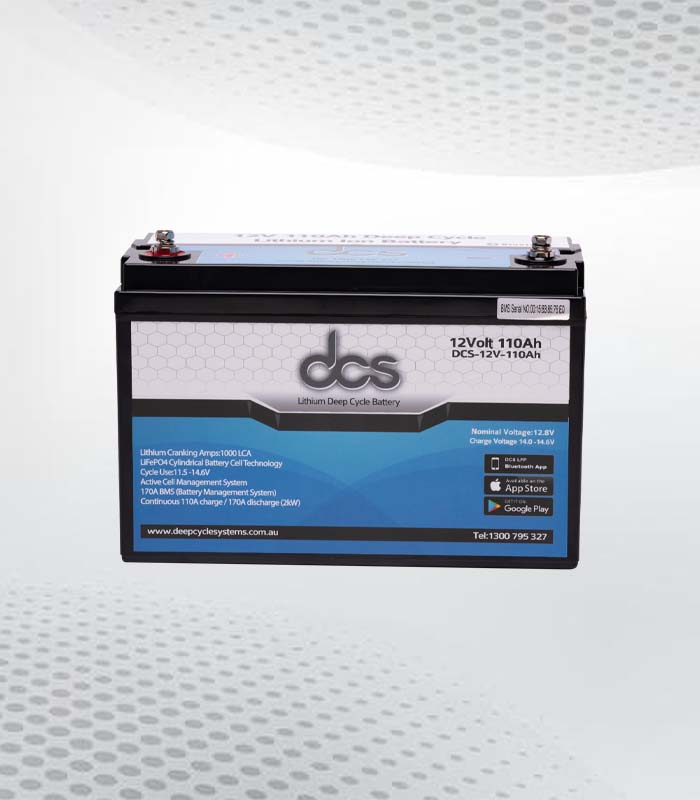 The adoption of lithium battery technology also plays a pivotal role in curbing greenhouse gas emissions. By enabling more efficient storage and utilization of renewable energy sources, such as solar and wind power, these batteries help decrease reliance on fossil fuels for electricity generation. This transition is vital in combating climate change, as it contributes to a substantial reduction in carbon dioxide and other harmful emissions.
Moreover, the enhanced energy efficiency of lithium batteries further supports environmental sustainability. By delivering a higher output of usable energy per charge cycle, they ensure that devices and systems operate with maximum efficacy, reducing the overall energy demand. This efficiency not only conserves precious resources but also diminishes the energy sector’s environmental impact, reinforcing the positive attributes of lithium batteries from an ecological perspective.
Navigating the Challenges of Lithium Battery Technology
Adopting lithium battery technology does come with a set of challenges that require attention and mitigation strategies. One of the foremost issues is related to the thermal management of these batteries. Lithium batteries can pose risks of thermal runaway, a condition where the battery’s temperature escalates rapidly and uncontrollably, potentially leading to fires or explosions. To address this, it’s crucial for manufacturers and users to implement advanced cooling systems and thermal protection mechanisms to ensure safety.
Another concern is the sourcing of lithium itself. The extraction of lithium can have significant environmental impacts, including water depletion and pollution. As demand for lithium increases, finding sustainable and ethical ways to source this material becomes imperative. Companies and researchers are exploring recycling methods and alternative sources of lithium to mitigate these environmental challenges.
The cost of lithium battery technology, while decreasing, still remains relatively high compared to traditional battery systems. This can be a barrier to widespread adoption, especially in developing countries or among users with limited budgets. Efforts to reduce production costs through innovation and economies of scale are essential to making lithium battery technology more accessible to a broader audience.
Future Trends in Lithium Battery Technology
As we look toward the horizon, lithium battery technology is on the brink of transformative advancements that promise to redefine its role in our lives and industries. Among the most anticipated developments is the advent of solid-state batteries. These next-generation power sources aim to replace the liquid or gel electrolytes found in current lithium batteries with solid conductors.
This shift is expected to dramatically enhance battery safety by eliminating the risks associated with liquid electrolytes, such as leaks and fires. Additionally, solid-state batteries could significantly boost energy density, allowing for longer usage times between charges and potentially revolutionizing the electric vehicle sector by extending driving ranges and reducing charging times.
Another exciting frontier in lithium battery technology is the focus on sustainability and recyclability. Researchers are actively seeking methods to improve the lifecycle of lithium batteries through advanced recycling techniques that recover a higher percentage of materials. This effort not only addresses the environmental concerns associated with battery production and disposal but also aims to reduce reliance on raw material extraction.
How to Integrate Lithium Batteries into Your Life
Integrating deep-cycle lithium batteries into your lifestyle requires a strategic approach tailored to your unique energy needs. Begin by conducting an energy audit of your home, vehicle, or any personal devices to determine the specific power requirements and how a lithium battery could meet them. Whether it’s upgrading your home solar power storage system, transitioning to an electric vehicle, or ensuring your portable electronics have a reliable power source, identifying your primary needs is the first step.
Next, explore the variety of lithium battery types and capacities available on the market, focusing on those designed for deep-cycle use. Consultation with energy experts or battery specialists can provide valuable insights into the most suitable options for your situation. Installation should be handled by professionals to guarantee safety and optimal performance.
Additionally, familiarize yourself with best practices for battery maintenance to maximize lifespan and efficiency. Finally, stay informed about battery recycling programs to ensure environmentally responsible disposal once the battery reaches the end of its life. By thoughtfully incorporating lithium batteries into your energy plan, you’ll not only enhance your personal well-being but also contribute to a more sustainable future.
FAQ’S
What is the lifespan of a deep-cycle lithium battery?
Typically, deep-cycle lithium batteries can last between 5 to 15 years, depending on their usage and maintenance. This lifespan is significantly longer compared to traditional lead-acid batteries.
Are deep-cycle lithium batteries safe to use?
Yes, when used and maintained correctly, deep-cycle lithium batteries are safe. They are designed with built-in safety features to prevent overcharging and thermal runaway. However, it’s crucial to follow the manufacturer’s guidelines and safety precautions.
Can I use deep-cycle lithium batteries in extreme temperatures?
Deep-cycle lithium batteries can operate in a wide range of temperatures, but extreme conditions can affect their performance and longevity. It’s advisable to consult the manufacturer’s specifications to understand the optimal operating temperature range for your specific battery.
Conclusion
The transformative role of deep-cycle lithium batteries in both our personal lives and the broader environment cannot be overstated. These power sources not only elevate our daily experiences by ensuring the reliability and efficiency of our devices and systems but also play a pivotal role in steering us towards a more sustainable future. By making a conscious decision to integrate lithium battery technology into our energy usage, we take a step forward in promoting a lifestyle that values resilience, efficiency, and environmental responsibility.
This article was first published on: