


There’s a high chance that a majority of us come into contact with a 12-volt automotive battery every single day, yet not many of us understand its workings or significance. This article aims to demystify the 12 volt automotive battery and 12-volt inverter battery by providing an in-depth analysis of their structure, functionality, application, and maintenance.
Understanding The Basic Structure Of A 12-Volt Automotive Battery
Allow me to guide you on a fascinating journey inside a 12-volt automotive battery and unravel the mysteries of its complex structure. The heart of every battery is dominated by two vital components: the anode and the cathode. Picture these as integral parts of an extremely efficient electrochemical cell. Now, conjure up an image of six such cells systematically aligned and linked in a series and there you have it – your regular 12-volt battery!
However, the story isn’t complete without another crucial character – the electrolyte solution. Envision this as an electrifying liquid spa where the anode and cathode leisurely bathe. This is far from a frivolous act; it’s indeed a necessity as it aids the flow of electric current through the battery, making it functional.
In essence, the anode, cathode, and electrolyte solution are the fundamental constituents of your 12-volt automotive battery. They build a straightforward yet ingeniously crafted structure that powers your daily rides to work or school, as well as your adventurous road trips. Each of these elements has a unique part to play in this robust assembly, synergistically working to deliver that much-needed jolt of energy at the opportune moment whenever your vehicle demands it.
The Science Behind 12 Volt Automotive Batteries
To truly appreciate the magic of the 12-volt automotive battery, we need to delve into the chemistry that makes it tick. The journey of power begins with a spark, a chemical reaction initiated between the anode, cathode, and the electrolyte. This reaction becomes a powerhouse, generating a flurry of electrons. These charged particles don’t hang around; they take a thrilling ride through the vehicle’s electrical system, providing the energy it needs to function.
However, this energetic display isn’t a one-way street. The show continues even when the battery isn’t in use. As the vehicle’s engine hums along, the alternator steps in like a resourceful recycler. It coerces the chemical reaction to run in reverse, replenishing the energy the battery has expended. This process, known as charging, ensures that your battery is ready to spring into action when you turn the key.
So there you have it, a backstage pass to the thrilling world of battery science. It’s not just a box of chemicals; it’s a continuous ebb and flow of energy, an ingenious dance between chemistry and physics that keeps your vehicle up and running. The 12-volt automotive battery is truly a marvel of modern engineering. And now, every time you slide behind the wheel, you’ll know a little more about the silent, steadfast companion powering your journey.
12v Inverter Battery: An Overview
Introducing the resilient and versatile champion of power supply – the 12V inverter battery. This model is not merely an echo of its automotive kin; rather, it proudly flaunts its own distinct set of capabilities. Expertly designed to fuel an inverter, its main role lies in transforming DC, or Direct Current, into AC, Alternating Current that is usable in our homes and vehicles.
One of its most notable attributes? Its ability to perform as a deep-cycle battery, a facet that allows it to be substantially discharged without enduring any lasting harm. In contrast, typical car batteries function on a shallow cycle and lack the ability to rebound from a deep discharge. This tenacious battery boasts an enviable lifespan and an assurance of reliable, sustained power. It can energise your home during power cuts, bring life to recreational vehicles, or marine gear.
Furthermore, it serves as a pillar supporting renewable energy systems. The 12-volt inverter battery flexes its proverbial bicep in each of these scenarios, proving its invaluable worth. Its multipurpose nature and strength arguably crown it as the unsung hero in situations where dependable and long-lasting power supply is essential.
Applications Of 12V Inverter Batteries
The 12-volt inverter battery isn’t just a powerhouse of energy, but a versatile champion in many scenarios.
Home Energy Backup
A power cut can be a disruptive experience, but the 12-volt inverter battery steps in as a reliable safeguard. It stores energy when power is abundant and dispenses it smoothly during blackouts, ensuring your home appliances continue to run without a hiccup.
Recreational Vehicles
Whether you’re in a caravan, motorhome or yacht, a 12-volt inverter battery is a faithful companion, ensuring you have a constant supply of power to run appliances and devices.
Renewable Energy Systems
This sturdy battery is a key player in renewable energy set-ups. It dutifully stores solar or wind-generated energy, allowing you to use this green power whenever you need.
Portable Power Stations
Be it camping, tailgating or an outdoor event, a 12-volt inverter battery can be part of a portable power station, providing a dependable source of energy off-grid.
Boating and Marine Applications
The marine world isn’t left behind either. The 12-volt inverter battery offers robust power for marine applications, ensuring your voyage isn’t cut short due to a lack of power. In each of these scenarios, the 12-volt inverter battery flexes its muscle, delivering consistent, reliable power.
Maintaining Your 12 Volt Batteries
Preserving the life and functionality of your 12 volt batteries involves more than just plugging them in and forgetting about them. Like nurturing a prized plant, proper care and attention can make a world of difference.
Corrosion can be a battery’s arch-nemesis, causing unnecessary strain and reducing the battery’s overall performance. To combat this, regular checks for signs of corrosion around the terminals can help you nip the problem in the bud before it has a chance to do any real harm.
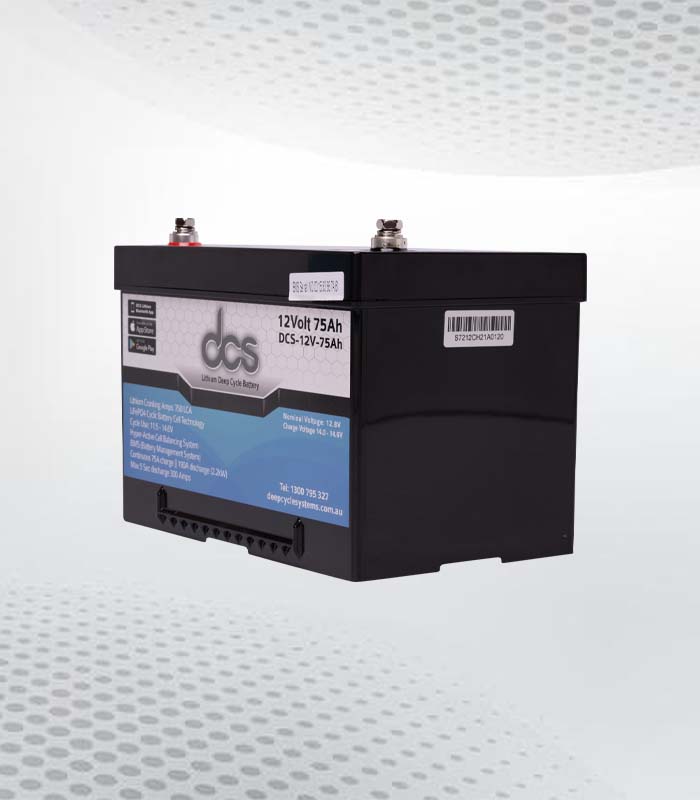 To keep your battery happily humming along, you should always strive to ensure it’s fully charged. Consistently allowing your battery to fall into a state of deep discharge is akin to asking a marathon runner to dash the final stretch without any water – not a recipe for success!
It’s also important to remember that batteries are a bit like Goldilocks – they don’t appreciate being too hot or too cold. Extreme temperatures can seriously hamper their performance and longevity. So, providing your battery with a stable, moderate environment can significantly increase its lifespan.
Selecting Your Power Source: Battery Buying Guide
Choosing the perfect 12 volt battery can feel like navigating a minefield, but with a few insider tips and tricks, the process can be as smooth as a well-oiled machine. It all begins by determining the energy capacity you need. This is measured in ampere-hours, and the larger the number, the longer the battery will last before needing a recharge. Then, take a peek at the physical size. Will it fit in your vehicle or device? Does it match the dimensions specified by the manufacturer? This is crucial for ensuring seamless integration.
Next, scrutinise the type of terminals – top post or side post? Each type has its own advantages, and your choice will depend on your device’s specific requirements. And finally, let’s talk about battery technology. Are you a fan of the traditional flooded battery, or do you lean more towards the low-maintenance AGM or gel versions? This choice often boils down to your personal preference, budget, and maintenance capabilities.
Remember, purchasing a 12-volt battery is an investment, not an expense. It’s the quiet giant that keeps your life running smoothly, and choosing wisely can result in a more reliable, long-lasting power source. Armed with these insights, you’re now ready to venture into the world of batteries and choose your perfect power partner.
Making The Right Choice: Selecting Your Battery
Opting for the perfect battery is a task that involves careful consideration and understanding of your unique needs. Do you require high power for a short duration, or are you in need of a constant yet moderate supply over a longer period? Your answer will pave the way towards the ideal battery. Longevity is another key factor. A battery that boasts a longer life span may seem pricey initially but could prove to be a savvy investment in the long haul.
Your maintenance capabilities also play a crucial role in this decision-making process. Some batteries, although high-performing, demand constant upkeep. If you’re someone who prefers a low-maintenance lifestyle, batteries such as AGM or gel versions might be your cup of tea.
Budget, as always, is a significant player in any purchasing decision. Premium batteries may have a higher upfront cost, but their impressive performance and durability can offer excellent value for money.
Remember, it’s all about finding that perfect balance between your specific needs and the battery’s characteristics. Take your time, consider all the aspects and make an informed choice. Because, at the end of the day, the right battery is not just about providing power – it’s about powering your life seamlessly, reliably and efficiently.
FAQs
- “What’s The Difference Between A 12-Volt Automotive Battery And A 12V Inverter Battery?”
Whilst both share the same voltage, they differ significantly in their applications. An automotive battery provides a high current for a short duration to start a vehicle, whilst an inverter battery supplies a constant, moderate current over a long period.
2. “Can I use a 12-volt automotive battery as an inverter battery?”
Although it’s technically possible, it’s not advisable. Automotive batteries aren’t designed for deep discharge, which is often required in inverter applications. Using one this way can drastically shorten its lifespan.
3. “How often should I check my 12-volt battery for corrosion?”
A good practice is to check for signs of corrosion every time you service your vehicle or at least once every three months.
4. “How can I extend the life of my 12-volt battery?”
Regular charging, avoiding deep discharges, maintaining moderate temperatures, and checking for corrosion can help prolong the life of your battery.
5. “What does ‘ampere-hours’ mean when choosing a battery?”
This measurement indicates the energy capacity of the battery. The higher the ampere-hours, the longer the battery can supply power before needing a recharge.
Conclusion
In our quest to demystify the 12-volt automotive and inverter batteries, we’ve travelled through the fascinating realms of their structure, chemistry, function, and maintenance. We’ve recognised the pivotal roles they play in our daily lives and learned how to care for these silent power sources to ensure their optimal performance and longevity. Whether it’s the instant power burst needed to bring your vehicle to life or the sustained energy to keep your home lit during a power cut, these batteries deliver. They are the unseen champions, the reliable companions that allow our modern lifestyle to function seamlessly.
This Article Was First Published On
| Other Good Articles to Read |
| Blogs-Nation |
| Blogs-Peoples |
| Bryan Smith Blogs |
| Intellect Blogs |
| The Fault In Our Blogs |
| Blogs Eu |
| Oz Forums |
| Recruitment Blogs |
| Zet Blogs |
| Id Blogs |
| Blogs Tudiolegale |
| Related Business Listings |
| Directory Submissions |
| Regional Directory |