


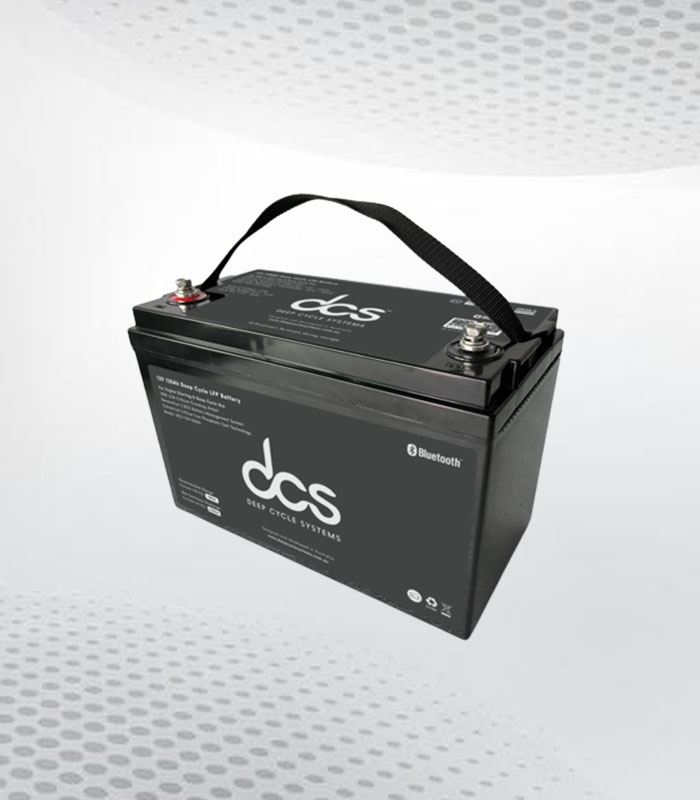
The world of battery power is constantly evolving, with new and innovative technologies being introduced regularly. One such advancement is the 180 Amp Battery, a powerful energy source that has recently gained popularity. This high-capacity battery boasts a capacity of 180 amp hours (ah), making it an ideal choice for various applications such as off-grid living, motorhomes, and marine use.
Powering Up – The Advantages of a 180-amp Battery
A 180-amp battery is renowned for its impressive energy density, which enables it to pack a significant amount of power into a notably compact form. This characteristic makes it particularly suitable for use in scenarios with crucial spatial constraints, such as within the confines of mobile devices and electric vehicles. One of the key advantages of the 180-amp battery is its long cycle life.
It can undergo numerous charging and discharging cycles while maintaining its power storage capabilities, highlighting its value as a long-term investment. This extended cycle life reduces the need for frequent replacements, contributing to economic savings and waste reduction. Additionally, the 180-amp battery is proficient at delivering consistent power output, a critical feature in applications requiring a reliable and uninterrupted energy supply.
Its ability to maintain stable performance, even under varying loads and conditions, further strengthens its position as a preferred choice among various sectors seeking efficient power solutions. These attributes collectively enhance the practicality and appeal of the 180-amp battery across various applications, confirming its role as a cornerstone in advancing modern power supply systems.
The Role of the Battery 180 Amp in Renewable Energy Systems
In pursuing sustainable energy solutions, the Battery 180 Amp emerges as a pivotal component within renewable energy systems. Its substantial capacity for energy storage plays an instrumental role in harnessing the intermittent nature of renewable sources, such as solar and wind power. By capturing excess energy during peak production times, the 180-amp battery facilitates the utilisation of renewable energy even when natural conditions are not favourable for generation.
The ability to store and release energy on demand enhances the efficiency and reliability of renewable energy systems, bridging the gap between energy production and consumption patterns. Furthermore, the integration of 180-amp batteries in renewable setups significantly aids in reducing the strain on traditional power grids, thereby contributing to a more balanced and sustainable energy landscape.
Using such batteries promotes the adoption of green energy and aligns with global efforts to mitigate climate change by reducing reliance on non-renewable energy sources. Through the strategic use of 180-amp batteries, renewable energy systems gain a robust foundation for growth, poised to meet the increasing energy demands of the future while prioritising environmental stewardship.
 How the 180-amp Battery Supports Emergency Power Solutions
The utility of the 180-amp battery is markedly profound in the realm of emergency power solutions. Situations such as power outages, natural disasters, or critical system failures necessitate an immediate and reliable power source to maintain essential operations. Here, the 180-amp battery comes into its own, serving as a steadfast pillar of support. Its substantial energy storage capacity ensures that vital devices and equipment remain operational, mitigating the potential consequences of unexpected power disruptions.
Hospitals, for instance, leverage the capabilities of the 180-amp battery to ensure life-saving equipment continues to function flawlessly in the absence of mains electricity. Similarly, households benefit from the security and convenience provided by these batteries, keeping lights, heating, and communication devices running during unforeseen blackouts.
For remote locations where access to the electrical grid is limited or non-existent, the 180-amp battery offers a viable solution to meet daily power needs, thus ensuring safety and comfort in challenging environments.
Longevity and Maintenance – Caring for Your 180-amp Battery
Ensuring the extended service life of a 180-amp battery necessitates adherence to a stringent maintenance regimen. This encompasses a regular inspection of the charge level, a practice to prevent the adverse effects of overcharging or allowing the battery to discharge too deeply. Attention must also be paid to the physical condition of the battery, ensuring it remains clean and devoid of any obstructing debris.
Such meticulous care plays a pivotal role in prolonging the operational lifespan of the 180-amp battery and maintaining its performance efficacy. The recommended maintenance procedures are designed to mitigate the potential for damage that could compromise the battery’s functionality, ensuring it continues to meet the energy demands.
By observing these guidelines, users can significantly enhance the reliability and efficiency of their 180-amp battery, making it an enduring companion in various power-reliant applications. This maintenance ethos not only underscores the importance of routine care but also highlights the commitment required to leverage the full potential of the 180-amp battery, safeguarding its role as a dependable power source in various settings.
The Environmental Impact of Using 180-amp Batteries
In an era where environmental considerations are paramount, employing 180-amp batteries presents a noteworthy shift towards more sustainable energy practices. These power sources, by their rechargeability, align well with the ethos of reducing waste and promoting renewable energy usage. The inherent ability of 180-amp batteries to be powered through green energy sources, such as solar or wind energy, underscores their potential to reduce carbon footprint.
The cycle of charging and recharging, which lies at the heart of the functionality of these batteries, diminishes the reliance on conventional, pollution-intensive energy sources, marking a significant step forward in efforts to curb environmental degradation. While utilising 180-amp batteries is not devoid of environmental implications, particularly concerning the resources required for their production, it represents a comparatively greener alternative that harmonises with the global drive towards sustainability.
This move towards embracing battery technology, especially one that promises efficiency and recyclability, embodies the nuanced balance between advancing human technological capability and preserving the environment for future generations.
Exploring the Applications of a 180-amp Battery
The flexibility and robustness of the 180-amp battery render it an indispensable component across an eclectic array of settings. Notably, its deployment within the automotive industry, particularly in electric vehicles, harnesses its high energy capacity to ensure extended driving ranges and reduced charging times. This attribute significantly augments the appeal of electric vehicles, positioning them as a sustainable alternative to their fossil-fuelled counterparts.
Beyond transportation, renewable energy storage has benefitted profoundly from incorporating 180-amp batteries. These batteries serve as critical reservoirs, capturing energy generated from renewable sources such as solar panels and wind turbines, facilitating a consistent energy supply regardless of weather conditions.
Furthermore, their role in emergency power solutions must be balanced. In scenarios where traditional power sources falter, the 180-amp battery emerges as a bulwark against disruptions, ensuring continuity in critical services and household functions. The technology also finds relevance in off-grid living arrangements, providing a reliable energy source untethered from the conventional grid. Industrial operations, too, leverage the robust capabilities of the 180-amp battery to power machinery and equipment, underscoring its versatility.
Maximising Efficiency – Tips for Optimising Your 180-amp Battery
Certain practices are recommended to ensure the 180-amp battery operates at peak efficiency. These contribute to optimising its performance and play a crucial role in extending its service life.
– Regularly monitor the state of charge to avoid overcharging or deep discharge, which can adversely affect the battery’s longevity and capacity.
– Maintain an ambient temperature where the battery is housed, as extreme temperatures can significantly impact the battery’s performance and health.
– Ensure the battery connections are clean and secure, as poor connections can lead to inefficient charging and reduced power output.
– Utilise a smart charger specifically designed for 180-amp batteries. This charger can adjust the charge rate according to the battery’s needs, thereby preventing damage.
– Conduct periodic equalisation charges if the battery is of a lead-acid type to balance the battery cells and ensure uniform performance across the battery.
Adhering to these practices enables the efficient operation of the 180-amp battery, ensuring that it delivers reliable power when required without compromising its durability.
Charging Ahead – Enhancing Your Power Supply with 180-ah Batteries
In the contemporary landscape, the significance of a steadfast power supply cannot be overstated. The advent of the 180-amp battery ushers in a paradigm of convenience and efficiency for powering various devices and systems. Its utility spans various scenarios, from daily operations to unforeseen emergencies, marking it as an indispensable asset. The 180-amp battery embodies a solution that stands ready to meet the demands of the modern world, ensuring that essential services and functions are maintained without disruption.
This power source is distinguished by its adaptability, easily catering to a wide spectrum of needs. Whether embedded within the intricate systems of electric vehicles, serving as a backbone for renewable energy storage, or providing a lifeline during power outages, the 180-amp battery demonstrates unparalleled versatility. Its capacity to seamlessly integrate into different settings and applications highlights its role as a critical enabler of progress and continuity.
The reliability of the 180-amp battery is further augmented by its robust construction. Designed to endure rigorous use and challenging conditions, it exemplifies durability. This resilience, when coupled with judicious maintenance practices, ensures that the 180-amp battery remains a pillar of reliable power, ready to support contemporary society’s diverse and evolving energy requirements.
The Durability of 180 Ah Batteries
Amongst the plethora of benefits offered by the 180 Ah battery, its exceptional durability stands as a cornerstone, reinforcing its stature in demanding scenarios. Crafted to navigate the rigours of extensive utilisation and harsh conditions, these batteries showcase an inherent resilience, ensuring sustained performance across their service life. The construction of the 180-amp battery incorporates materials and technologies designed to endure the vicissitudes of both usage and environmental factors, thus ensuring that the battery’s efficacy remains unimpaired over time.
This steadfastness is a testament to the engineering behind the 180-amp battery and the meticulous standards adhered to during its production. Such robustness renders it an ideal candidate for applications where reliability is paramount, from powering electric vehicles to serving as a bulwark in renewable energy systems. The 180-amp battery’s capability to maintain consistent output, even under varied load conditions, further amplifies its value proposition.
Crucially, the longevity of the 180-amp battery is optimised through adherence to recommended maintenance protocols. Regular checks and balanced charging regimes significantly prolong its operational lifespan, underscoring the symbiosis between durability and diligent care.
FAQ’s
– What distinguishes a 180 Ah battery from other batteries in capacity and usage?
A 180 Ah is characterised by its 180-ampere-hour capacity, which enables it to store and deliver a substantial amount of energy. This makes it particularly suited for applications requiring sustained power over extended periods, such as electric vehicles, renewable energy storage, and emergency power solutions.
– How does the 180-amp battery contribute to environmental sustainability?
Owing to its rechargeability and compatibility with renewable energy sources like solar and wind, the 180-amp battery plays a crucial role in reducing reliance on fossil fuels. Thus, it supports efforts to mitigate climate change and promotes a more sustainable energy landscape.
– Can a 180-amp battery be used in off-grid systems?
Its significant energy storage capacity makes it an ideal choice for off-grid living arrangements, providing a reliable power source in areas where connection to the traditional power grid is limited or non-existent.
– What maintenance practices are essential for maximising the lifespan of a 180-amp battery?
Vital practices include regularly monitoring charge levels to prevent overcharging or deep discharge, maintaining an optimal ambient temperature, ensuring clean and secure connections, and using a smart charger designed for 180-amp batteries.
– How does the 180-amp battery support emergency power solutions?
Its ability to store a considerable amount of energy ensures that critical devices and systems remain operational during power outages or when conventional power sources are unavailable, thus providing critical support in emergencies.
Conclusion
In conclusion, the 180 Amp Battery has emerged as a critical component in modern power systems, offering unparalleled versatility, durability, and efficiency. Its application across diverse settings, from renewable energy storage to emergency power solutions, underscores its significance. Its compatibility with environmental sustainability initiatives positions it as a forward-thinking choice in the quest for cleaner energy. The 180-amp battery is a testament to technological advancement and a beacon of hope for a more sustainable and resilient energy future.
| Related Business Listings |
| Directory Submissions |
| Regional Directory |