

The historical evolution of casinos From ancient pastimes to modern entertainment hubs
The Origins of Gambling
The history of gambling can be traced back to ancient civilizations, where it served not just as a pastime but as a form of social interaction and ritual. Archaeological findings suggest that games of chance, involving dice and betting, existed in cultures such as the Chinese, Egyptian, and Roman empires. These early forms of gambling were often linked to religious practices and were seen as ways to appease the gods or predict the future, with budget-friendly gambling options emerging as popular alternatives.

As these games evolved, various objects, including dice made from bones and early card games, emerged. The common thread throughout these periods was the thrill of chance and the potential for winning. This laid the groundwork for the establishment of more structured gambling venues, eventually leading to the creation of formal casinos.
The Birth of Casinos in Europe
The modern concept of the casino emerged in 17th century Italy, where the term itself originated from ‘casa,’ meaning house. These establishments provided a space for different games of chance, including early versions of baccarat and roulette. The popularity of such venues quickly spread across Europe, with places like Monte Carlo becoming synonymous with luxury gambling. Many players were drawn to budget-friendly gambling options that offered excitement without breaking the bank.
During this time, casinos transformed from informal gathering spots into glamorous entertainment hubs that attracted nobility and the wealthy elite. This period also saw the introduction of regulations and the establishment of organized gambling, paving the way for the grand establishments we recognize today.
Casinos in the United States
The late 19th and early 20th centuries saw the rise of casinos in the United States, with gambling gaining a foothold in states like Nevada. The legalization of gambling in Las Vegas in the 1930s was a pivotal moment, transforming it into the entertainment capital of the world. This era marked the beginning of large-scale casinos equipped with opulent interiors and a variety of gaming options.
As gambling continued to expand across the U.S., different states began to establish their own regulations and gaming commissions. The development of tribal casinos in the 1980s further revolutionized the landscape, allowing indigenous communities to operate casinos and contribute significantly to local economies.
The Digital Revolution and Online Casinos
The advent of the internet has dramatically changed the gambling landscape. Online casinos emerged in the late 1990s, offering a new level of convenience and accessibility. Players could now enjoy their favorite games from the comfort of their homes, leading to a surge in participation. Platforms like casinacho-ca.com exemplify the shift towards digital gaming for various budgets.
Modern online casinos have evolved to include a vast array of games, live dealer options, and interactive experiences that cater to a diverse audience. Technological advancements have enhanced security and payment methods, making online gambling more appealing and trustworthy for players worldwide.
Modern Casinos: A Blend of Entertainment and Innovation
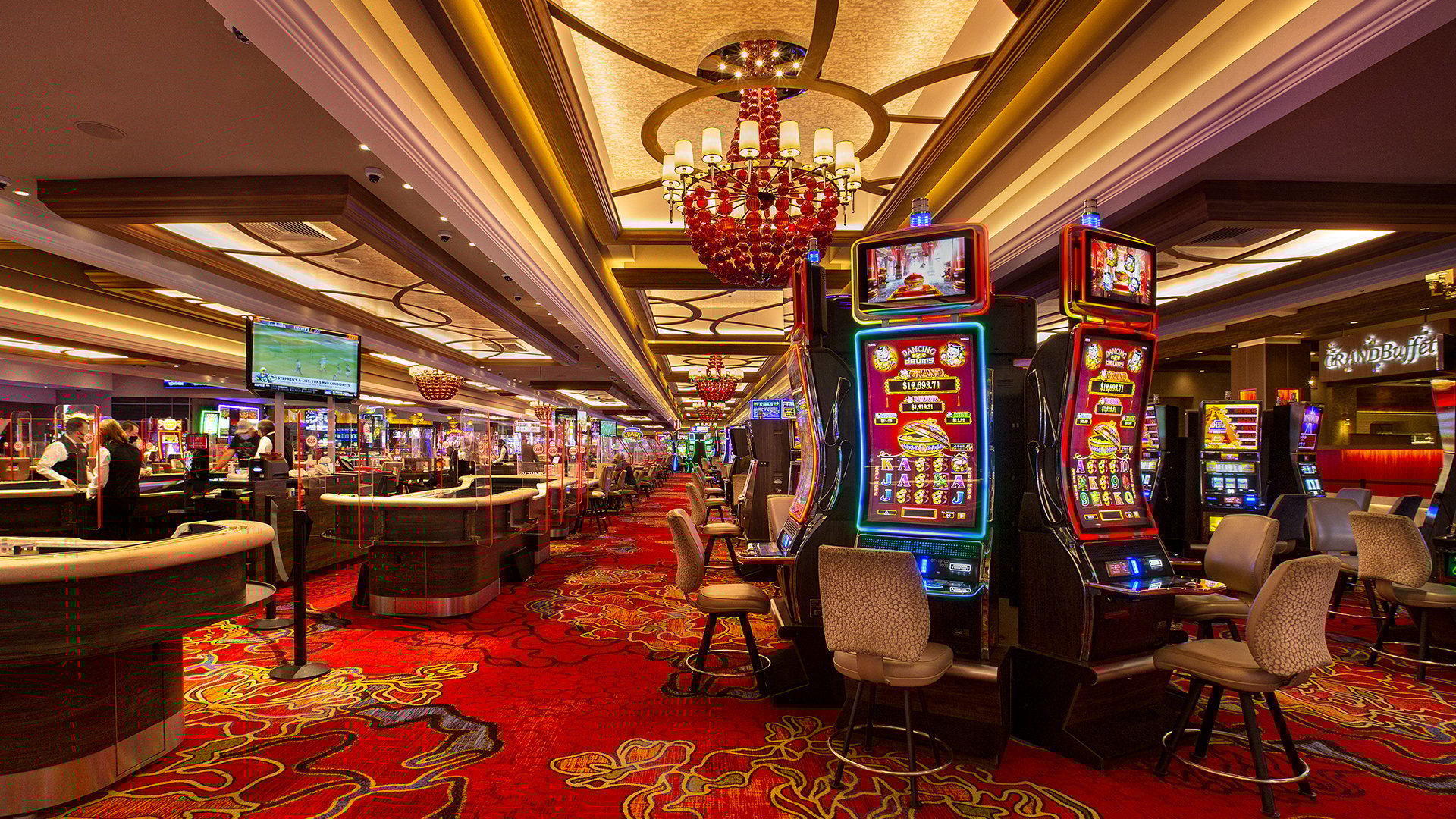
Today, casinos are more than just places to gamble; they are multifaceted entertainment complexes that offer everything from fine dining and nightlife to shopping and live performances. The integration of technology in casinos has further enriched the experience, with virtual reality and mobile gaming becoming increasingly popular.
Platforms like Casinacho Casino Canada exemplify this evolution, providing a wide range of games while focusing on customer satisfaction and responsible gaming. By offering generous bonuses and a seamless user experience, modern casinos continue to attract players, ensuring that the legacy of gambling remains vibrant and relevant in the contemporary entertainment landscape.