


When it comes to choosing the right battery for your energy storage needs, the 100ah battery is a popular option that offers a range of benefits. This comprehensive guide will take you through everything you need to know about the 100-ah battery, including its specifications, advantages, applications, maintenance tips, and more.
Understanding the Basics of 100ah Batteries
A 100ah, defined by its capacity to hold 100 ampere-hours, represents a versatile choice for various energy needs. This measurement implies that the battery is capable of supplying a current of 1 ampere over a period of 100 hours, or alternatively, a higher current of 2 amperes for half the time, demonstrating its flexibility in usage. These units are extensively utilised across diverse fields, including but not limited to, powering recreational vehicles, serving as a dependable source of backup power for residential and commercial premises, and facilitating operations in marine and automotive sectors.
The adaptability and efficiency of 100-ah batteries stem from their robust design, capable of meeting a broad spectrum of energy requirements while ensuring reliability and a prolonged service life. Their significance is further underscored by their role in renewable energy systems and off-grid power solutions, where they provide essential storage capacity to harness and utilise power effectively. Understanding the fundamental aspects of 100-ah batteries lays the groundwork for optimising their performance and integrating them into suitable applications to achieve efficient energy solutions.
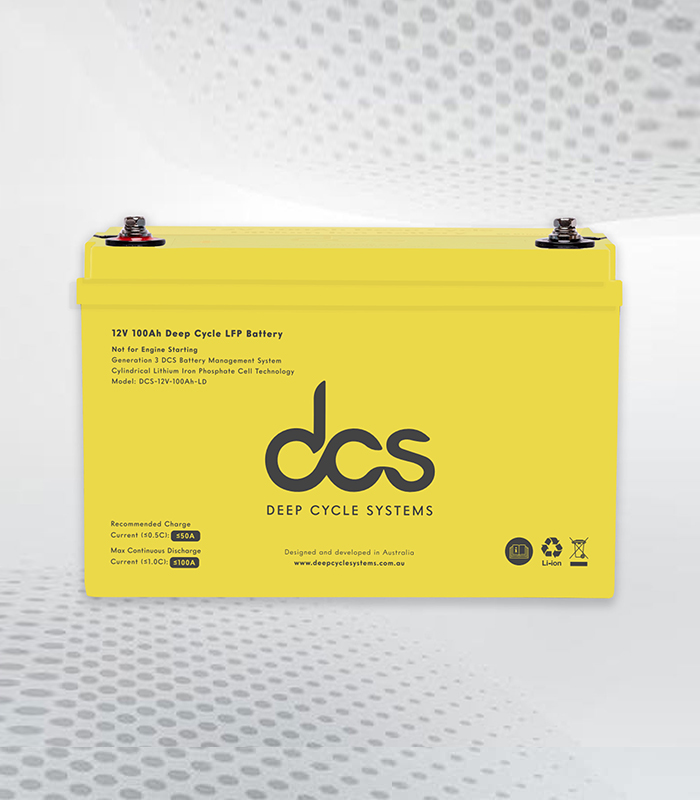 Key Specifications of 100-ah Batteries
The fundamental characteristics of 100-ah batteries are pivotal in determining their suitability for various applications. Voltage rating is a critical specification, indicating the potential difference across the terminals of the battery, typically ranging from 12V to 48V, depending on the model and intended use.
The cycle life, another essential attribute, reflects the battery’s longevity, denoting the number of complete charge and discharge cycles it can undergo before its capacity diminishes to a certain percentage of its original value.
Charge and discharge rates, expressed in terms of C-rate, influence how quickly a battery can be charged and how swiftly it can deliver power, impacting both performance and lifespan. Additionally, the physical dimensions and weight of a 100-ah battery are crucial for installation and compatibility purposes, especially in applications where space is limited or weight is a critical factor.
Understanding these key specifications is imperative for users to make informed decisions, ensuring that the chosen 100-ah battery aligns with their energy requirements and application constraints, thereby optimising functionality and efficiency.
The Advantages of Choosing a 100-ah Battery
Selecting a 100-ah battery offers a multitude of benefits that cater to a wide range of power needs, ensuring users enjoy not only enhanced capacity but also superior reliability.
- One of the standout benefits of this battery capacity is its ability to deliver extended run times without necessitating frequent recharges, making it an ideal choice for applications requiring consistent power over long periods. This attribute is particularly beneficial in contexts such as recreational vehicles and off-grid power systems, where sustained energy supply is paramount.
- Furthermore, the 100-ah battery is celebrated for its robustness and durability. Crafted to withstand the rigours of various operational demands, these batteries are less prone to failure, thereby reducing the likelihood of unexpected downtime and the costs associated with replacements. Their resilience is a testament to their design, engineered to endure the cyclic stresses of charging and discharging which characterise many of their applications.
- Another compelling advantage is their versatility. Whether for marine use, backup power, or integration into renewable energy systems, the 100-ah battery adapts seamlessly, proving itself as a versatile component in diverse energy setups. This adaptability is underscored by the battery’s compatibility with a range of voltages and configurations, ensuring it meets specific energy requirements with precision.
- Additionally, the efficiency of 100-ah batteries in terms of energy storage and output further enhances their appeal. They are capable of storing significant amounts of energy, thereby facilitating effective power management and utilisation in a variety of settings. This efficiency is crucial in promoting sustainable energy practices, especially in renewable energy systems where maximising the use of generated power is key.
In essence, opting for a 100-ah battery brings forth an array of advantages, from prolonged operational capacity and unmatched durability to remarkable versatility and efficiency, all of which contribute to a reliable and effective energy solution tailored to meet diverse needs.
Applications and Uses for 100-ah Batteries
100-ah batteries find their prominence across a vast array of applications, underlining their adaptability and efficiency in meeting diverse energy demands. In the marine industry, these batteries are indispensable, powering a variety of on-board systems and equipment to ensure smooth sailing and operational reliability. The automotive sector benefits significantly as well, with 100-ah batteries providing the necessary power for electric vehicles (EVs) and auxiliary functions in conventional vehicles, enhancing performance and dependability.
Renewable energy systems, particularly solar and wind, rely on 100-ah batteries for energy storage. They play a pivotal role in capturing excess power during peak generation times, which can then be utilised when production is low, thus ensuring a consistent energy supply. This capability is also what makes 100-ah batteries a critical component in off-grid power systems, where they serve as the backbone, storing energy generated from renewable sources to provide electricity in remote locations without access to the main grid.
Additionally, these batteries are commonly employed as backup power sources in residential and commercial settings, safeguarding against power outages by keeping critical systems and appliances operational. Their ability to deliver sustained power makes them suitable for a range of emergency and security systems, ensuring safety and functionality even during unexpected power disruptions.
Maintenance and Care Tips for 100-ah Batteries
Maintaining optimal performance and extending the lifespan of a 100-ah battery requires adherence to specific care routines. Regularly inspect your battery for signs of wear or damage, such as cracks or leaks, to address potential issues before they escalate.
Ensure the battery terminals remain clean and free from corrosion by using a solution of bicarbonate of soda and water to gently scrub any build-up, followed by a thorough rinse with clean water.
It is also critical to keep the battery charged within its recommended parameters, avoiding overcharging or allowing it to fall into a deeply discharged state, which can significantly impact its efficiency and longevity. Employing a smart charger that automatically adjusts the charge rate can prevent damage and contribute to the battery’s health.
Additionally, batteries should be stored in a cool, dry place, away from direct sunlight and extreme temperatures, as these conditions can accelerate degradation. Implementing these maintenance and care practices will ensure your 100-ah battery remains a reliable source of power for your energy needs.
Comparing 100-ah Batteries with Other Capacities
In the evaluation of 100-ah batteries against those of differing capacities, several critical factors warrant attention.
- Firstly, the physical dimensions and mass of the battery are of paramount importance, especially in contexts where space is at a premium or where weight has a significant impact on performance or portability. Generally, batteries with higher ampere-hour ratings will occupy more space and weigh more, potentially posing challenges for certain applications.
- Secondly, cost implications cannot be overlooked; larger capacity batteries often come with a higher price tag, making the 100-ah variant a more cost-effective solution for many users without compromising on performance or reliability.
- Another consideration is the balance between runtime and recharge frequency. While higher capacity batteries may provide longer runtimes before necessitating a recharge, this advantage must be weighed against the increased initial investment and the potential need for more robust charging solutions.
- It’s essential to align battery capacity with specific energy requirements and operational constraints to ensure an optimal balance of performance, cost, and convenience, making the 100-ah battery a versatile and practical choice for a wide array of applications.
Future Trends in 100-ah Battery Technology
The horizon for 100-ah battery technology is marked by promising innovations aimed at enhancing their efficacy and applicability across various sectors. This advancement is poised to offer batteries that are not only more compact but also pack a greater amount of energy, facilitating their integration into a wider array of devices and systems without the constraint of size or weight.
Concurrently, strides in charging technology are expected to significantly reduce the time required to replenish battery power, thereby elevating the convenience and efficiency of using 100-ah batteries for daily operations. Moreover, efforts are underway to extend the cycle life of these batteries, which will result in devices that can withstand more charge and discharge cycles before experiencing a noticeable decline in performance.
Such enhancements are crucial for supporting sustainable energy solutions, as they contribute to reducing waste and the frequent need for battery replacements. The integration of advanced materials and innovative design principles is central to these developments, reflecting a concerted push towards meeting the evolving demands of both consumers and industries reliant on 100-ah battery technology.
Maximising the Lifespan of Your 100-ah Battery
To ensure the extended longevity of your 100-ah battery, a careful approach to its use and maintenance is paramount. Key practices include adhering to the manufacturer’s guidelines for charging and discharging, as these protocols are designed to safeguard the battery from the stresses of inappropriate use. It is equally important to avoid exposing the battery to extreme temperature conditions, as both excessive heat and cold can accelerate degradation, affecting its overall lifespan.
Regular checks for signs of damage or wear, particularly around the terminals and casing, can preempt potential issues, allowing for timely interventions. Additionally, employing a smart charging system that can adapt the charging rate based on the battery’s current state can significantly contribute to preserving its health.
Such a system ensures the battery is neither undercharged, which can lead to sulphation, nor overcharged, a common cause of overheating and premature capacity loss. By prioritising these care measures, users can significantly enhance the durability and reliability of their 100-ah battery, ensuring it remains a dependable component of their energy solutions for an extended period.
The Role of 100-ah Batteries in Renewable Energy
In the realm of renewable energy, 100-ah batteries emerge as pivotal components for their storage capabilities, ensuring the continuity of power supply even in the absence of immediate generation. They are instrumental in capturing and storing the surplus energy produced during peak generation periods from solar panels and wind turbines.
Their substantial storage capacity allows for an efficient energy management system, facilitating the shift towards a more sustainable and independent energy model. By mitigating the intermittency issues associated with renewable sources, 100-ah batteries enhance the reliability of these systems, making renewable energy a more viable and dependable option for both residential and commercial use.
Maximising Performance with 100-ah Batteries
- To optimise the performance of your 100ah Li battery, it is essential to undertake a strategic approach centred around your energy requirements and operational parameters.
- Ensuring that the battery is correctly sized for the application is crucial; an undersized battery may be overstressed, while an oversized battery could lead to inefficiencies and unnecessary expenditure.
- Implementing an efficient charging regime is paramount, utilising smart charging technology that adapts to the battery’s needs, thereby avoiding under or overcharging which can detrimentally affect its lifespan and performance.
- Additionally, managing the discharge rate effectively to prevent deep discharges extends the battery’s operational life.
- Matching the battery with your specific energy consumption patterns allows for more precise energy management, enabling a smoother operation of your systems.
By adhering to these practices, you will not only enhance the performance and reliability of your 100-ah battery but also maximise its service life, contributing to a more sustainable and cost-effective energy solution.
FAQs
1. Can I use a 100ah battery for solar energy storage?
Yes, 100ah batteries are highly suitable for solar energy storage. They have the capacity to store significant amounts of energy generated by solar panels during peak sunlight hours. This makes them an excellent choice for both off-grid and supplemental grid-tied solar installations, where they can help in maintaining a consistent power supply, even when sunlight is not available.
2. How often should I perform maintenance on my 100-ah battery?
The frequency of maintenance depends on the type of 100-ah battery you have (e.g., lead-acid, lithium-ion) and its application. Generally, it is advisable to check the battery every 3 to 6 months for any signs of wear or damage and to ensure the terminals are clean and free from corrosion. For lead-acid types, checking the electrolyte levels might also be necessary.
3. Is it possible to connect multiple 100-ah batteries together?
Yes, you can connect multiple 100-ah batteries in series or parallel to increase the voltage or ampere-hour capacity, respectively. However, it is crucial to ensure that all batteries are of the same type, age, and charge level to prevent imbalances. It’s also advisable to consult with a professional to ensure your setup is correctly configured for your specific energy requirements.
Conclusion
In summarizing, whether for marine adventures, ensuring uninterrupted power in residential spaces, or propelling the shift towards sustainable renewable energy sources, its benefits are wide-ranging. By understanding the key specifications, maintaining the battery correctly, and utilising it in accordance with its capabilities, users can maximise its lifespan and performance. Moreover, as technology advances, the potential for 100ah batteries in various applications seems boundless, promising even greater efficiency and sustainability in the energy sector.
| Other Good Articles to Read |
| Blogs-Nation |
| Blogs-Peoples |
| Bryan Smith Blogs |
| Intellect Blogs |
| The Fault In Our Blogs |
| Blogs Eu |
| Oz Forums |
| Recruitment Blogs |
| Zet Blogs |
| Id Blogs |
| Blogs Tudiolegale |
| Blogs Map |
| Related Business Listings |
| Directory Submissions |
| Regional Directory |