


In today’s technologically advanced world, the demand for reliable, long-lasting power sources is greater than ever. Among the myriad of options available, the 120 amp hour deep cycle battery stands out as a robust solution for a wide range of applications, from renewable energy storage and backup power to powering electrical systems in recreational vehicles. This blog post explores how you can maximise the performance of your 120 amp-hour deep cycle battery, ensuring you get the most out of your investment.
The Core Principles Behind Deep Cycle Batteries
Deep cycle batteries, characterised by their ability to undergo repeated cycles of deep discharge and recharge, differentiate themselves fundamentally from their starter battery counterparts.
The essence of their resilience lies in the construction of their lead plates, which are substantially thicker and made to endure the stresses of continuous power depletion and replenishment. This design ensures a consistent delivery of power over extended periods, making them perfectly suited for applications where a steady energy supply is paramount. The thick plates allow for a slower rate of discharge and a higher capacity for energy storage, which is essential for systems that operate away from conventional power sources.
Unlike starter batteries, which are optimised for short, high-current bursts necessary to start engines, deep cycle batteries excel in environments that demand a long-lasting, reliable energy supply. This distinction is critical to understanding the robust nature of the 120 amp-hour deep cycle battery, highlighting its suitability for a range of demanding applications.
By delving into the core principles that underpin deep cycle battery technology, one gains insight into why these batteries are the cornerstone of sustained power delivery in off-grid and mobile applications. Their design not only caters to longevity and durability but also to the practical needs of users seeking dependable energy solutions.
Why Choose a 120 Amp Deep Cycle Battery?
Opting for a 120 amp deep cycle battery presents a compelling balance between substantial energy capacity and practicality in handling and installation. This particular capacity level is adept at accommodating a broad spectrum of requirements, from supporting essential electrical functions in off-grid setups to fulfilling the energy demands of various recreational and marine applications.
Its allure is anchored in the battery’s capability to deliver consistent, reliable power over prolonged periods, which is paramount for users seeking autonomy from traditional power sources. Moreover, the 120 amp hour specification signifies a sweet equilibrium, providing sufficient energy reserves for most applications without venturing into the realm of unwieldy physical dimensions and weight that could complicate installation and mobility.
The versatility of this battery size also plays a crucial role in its popularity. It suits a wide array of environments and conditions, offering the resilience needed for outdoor and marine settings, where exposure to fluctuating conditions is common.
Whether it’s for a caravan park holiday, a sailing adventure, or as part of a renewable energy setup, the 120 amp-hour deep cycle battery emerges as an ideal choice for ensuring that essential and auxiliary systems remain operational, thus enhancing the user’s experience and safety. This makes it an indispensable component for anyone valuing dependable power supply without the frequent necessity for recharging or replacing their energy source.
Understanding Battery Capacity and Its Real-World Implications
The term “amp-hour” (Ah) is a unit of battery capacity that defines the amount of current a battery can supply over a specific period. In the case of a 120 amp-hour deep cycle battery, the unit implies that the battery is capable of delivering 120 amps of current for one hour under ideal conditions. Alternatively, it could provide a lower current, say 12 amps, over a 10-hour period. The versatility in usage underscores the battery’s adaptability across various applications, catering to both high and low power needs.
However, it’s important to note that real-world factors significantly influence these theoretical capabilities. The actual performance of a 120 Ah battery is subject to variations due to the rate at which it is discharged (also known as the discharge rate), environmental temperatures, and the efficiency of the connected devices.
Moreover, the longevity of a battery’s charge is also affected by these variables. A deeper understanding of how these factors play into the battery’s operational capacity is essential for users to manage their expectations and optimise their usage strategies accordingly. Keeping these dynamics in mind allows for more informed decisions when planning energy consumption for various activities or projects, ensuring that one can make the most of the 120 amp-hour deep cycle battery’s potential.
Installation Best Practices for Optimising Performance
Ensuring your 120 amp-hour deep cycle battery delivers optimal performance hinges on the correct installation process. It’s imperative to position the battery in an environment that facilitates adequate ventilation, reducing the risk of overheating, which could impair its efficiency and lifespan. The choice of location should also factor in ease of access for regular maintenance checks and adjustments.
When making connections, it’s crucial to ensure that all terminals are free from corrosion and are securely tightened. This not only prevents potential power loss but also mitigates the risk of hazardous electrical faults. Employing cables of the appropriate size is vital to avoid unnecessary voltage drops, which can significantly affect the battery’s performance. It’s worth noting that using undersized cables can lead to increased resistance, which may cause overheating and eventual damage to the battery.
For systems that require the configuration of multiple batteries, either in series or parallel, the importance of using batteries with matching specifications cannot be overstressed. Ensuring that the batteries have similar charge levels, capacities, and are of the same age, prevents the occurrence of imbalance within the system.
Such imbalances can lead to some batteries being overworked while others underperform, leading to a reduction in the overall efficiency and lifespan of the battery setup. Adhering to these guidelines not only maximises the efficiency and prolongs the life of your 120 amp-hour deep cycle battery but also contributes to a safer and more reliable power supply system.
The Significance of Regular Maintenance and Monitoring
Maintaining peak performance of a 120 amp-hour deep cycle battery necessitates a commitment to regular upkeep and vigilant monitoring. Ensuring the long-term reliability and efficiency of the battery involves several key practices.
Among these, the routine inspection of terminals for cleanliness and secure connections is paramount, as this prevents power losses and mitigates risks associated with electrical mishaps. For those utilising flooded battery types, it is crucial to check and maintain appropriate electrolyte levels to ensure the battery functions optimally.
Utilising a smart charger tailored for deep cycle batteries can significantly enhance the battery’s lifespan. Such chargers intelligently adjust charging parameters based on the battery’s current state, preventing the detrimental effects of overcharging or undercharging. This advanced charging approach contributes to the health and longevity of the battery, ensuring it remains a reliable power source.
In addition to these maintenance tasks, monitoring the battery’s performance can help identify potential issues early on. Observing changes in the battery’s ability to hold a charge or a decrease in its output can signal the need for further investigation or maintenance.
Being proactive in these practices not only extends the operational life of your 120 amp-hour deep cycle battery but also ensures it performs efficiently, delivering consistent power to meet your needs.
Navigating the Challenges: Common Pitfalls to Avoid
Ensuring the longevity and efficiency of a 120 amp-hour deep cycle battery requires avoiding certain common missteps that can significantly impair its performance. One of the primary pitfalls to sidestep is allowing the battery to undergo deep discharges regularly. Draining the battery too deeply, beyond the manufacturer’s recommended levels, can drastically shorten its service life. Users should be vigilant about maintaining the battery’s charge within advisable limits to prevent undue stress on the cells.
Another oversight involves neglecting routine maintenance checks. It’s essential to periodically inspect the battery for signs of wear, such as corrosion at the terminals, bulging of the casing, or any evidence of leaks. These symptoms, if ignored, can escalate into more serious issues, compromising the battery’s functionality and safety.
Exposing the battery to extreme temperatures, either too hot or too cold, for extended periods is also a scenario to avoid. Such conditions can adversely affect the battery’s chemical processes, leading to diminished capacity and a reduction in the overall lifespan. Implementing measures to shield the battery from severe temperature fluctuations can help preserve its integrity.
By steering clear of these common errors, users can significantly enhance the performance and extend the life of their 120 amp-hour deep cycle battery, ensuring it remains a reliable source of power for their needs.
The Future Outlook: Advancements in Deep Cycle Battery Technology
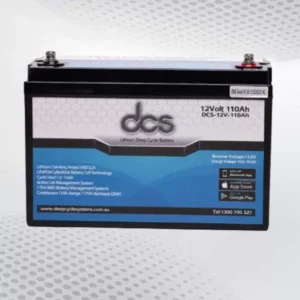 The landscape of deep cycle battery technology is on the cusp of transformative change, with researchers and manufacturers fervently pursuing advancements that promise not only to elevate performance metrics but also to address the burgeoning environmental concerns associated with traditional battery types.
A notable stride in this direction is the increasing incorporation of lithium-ion technology, which is heralded for its superior energy density and a significantly reduced footprint, both in terms of physical weight and environmental impact.
This shift towards lithium-ion and other novel chemistries, such as solid-state batteries, aims at surmounting the limitations of lead-acid counterparts. These innovations are anticipated to offer a multitude of benefits, including extended lifespans, enhanced efficiency, and markedly decreased charging times, thus aligning with the modern-day requisites of energy storage systems.
Furthermore, the focus is also intensifying on the recyclability and eco-friendliness of battery components. As the global emphasis on sustainability intensifies, future iterations of the 120 amp-hour deep cycle battery are expected to feature materials and manufacturing processes that are less detrimental to the planet.
FAQs
Is it suitable to utilise a 120 amp hour deep cycle battery for vehicle ignition?
Using a deep cycle battery for vehicle ignition is possible under certain circumstances; however, it’s worth noting that these batteries are designed for sustained energy release rather than the high current spurts necessary for starting engines. Frequent use in this way could lead to a reduced service life.
What’s the expected duration a 120 amp hour battery could last with a single charge?
The length of time a battery lasts on a single charge depends on the power consumption of the devices it’s powering. For example, a device consuming 6 amps might operate for around 20 hours. However, actual performance can vary due to factors such as efficiency and environmental conditions.
Is employing a specific charger for my 120 amp hour deep cycle battery imperative?
To optimise charging and extend the battery’s lifespan, it’s advisable to use a charger specifically designed for deep cycle batteries. These chargers are calibrated to meet the unique charging requirements of these batteries, improving their efficiency and durability.
Can the system’s capacity be augmented by linking several 120 amp hour batteries together?
Yes, by connecting multiple 120 amp hour batteries in parallel, you can significantly increase the overall capacity of your system, thereby extending the operational time before needing a recharge. This approach is useful for applications that require extended power availability.
Conclusion
To ensure the longevity and peak performance of a 120 amp hour deep cycle battery, a comprehensive approach encompassing knowledge, application suitability, and rigorous upkeep is essential. By sidestepping prevalent mistakes and remaining abreast of technological progress, users can significantly bolster the efficiency and lifespan of their deep cycle batteries. This battery type is an invaluable resource for powering off-grid setups, recreational vehicles, and marine crafts, offering dependable and effective energy solutions.
| Other Good Articles to Read |
| Blogs-Nation |
| Blogs-Peoples |
| Bryan Smith Blogs |
| Intellect Blogs |
| The Fault In Our Blogs |
| Blogs Eu |
| Oz Forums |
| Recruitment Blogs |
| Zet Blogs |
| Id Blogs |
| Blogs Tudiolegale |
| Related Business Listings |
| Directory Submissions |
| Regional Directory |