


When it comes to powering electronic devices and vehicles, the choice of battery is crucial. The Lifepo4 24v and 24v Lipo batteries are two popular options on the market. Both are lithium-ion batteries with a voltage of 24v, but they differ in their chemical composition and performance. Whether you are considering these batteries for your electric bike, solar system, or other power needs, this blog post will help you decide which one is best suited for your specific requirements. So, let’s dive into the world of 24v lithium-ion batteries and explore the differences between Lifepo4 and Lipo.
Understanding the Basics of LiFePO4 and LiPo Batteries
LiFePO4 batteries, formally known as Lithium Iron Phosphate batteries, offer a robust and stable chemistry, making them a reliable choice for various applications. Their construction is centred on using lithium iron phosphate as the cathode material, significantly contributing to their thermal stability and safety profile. This type of battery is celebrated for its resilience and longevity, able to endure thousands of charging cycles with minimal degradation.
Conversely, LiPo batteries, short for Lithium Polymer, present different advantages, primarily driven by their construction and the materials used. Unlike LiFePO4 batteries, LiPo variants utilise a polymer electrolyte instead of a liquid one, which allows for a lighter and more flexible design.
This attribute is pivotal in applications where weight and form factor are paramount. LiPo batteries also boast a higher energy density, enabling them to store more energy in a comparably smaller volume. This feature is highly desirable in portable electronics and high-performance applications.
LiFePO4 and LiPo batteries exhibit unique characteristics stemming from their distinct chemistries and construction methodologies. The former offers increased safety and longevity, making it an ideal candidate for energy storage solutions and electric vehicles.
With its high energy density and adaptability, the latter is the preferred choice for applications demanding compactness and high power output. Understanding these foundational differences is crucial for anyone looking to decide on the most appropriate battery technology for their needs, considering the trade-offs between energy capacity, safety, form factor, and life expectancy.
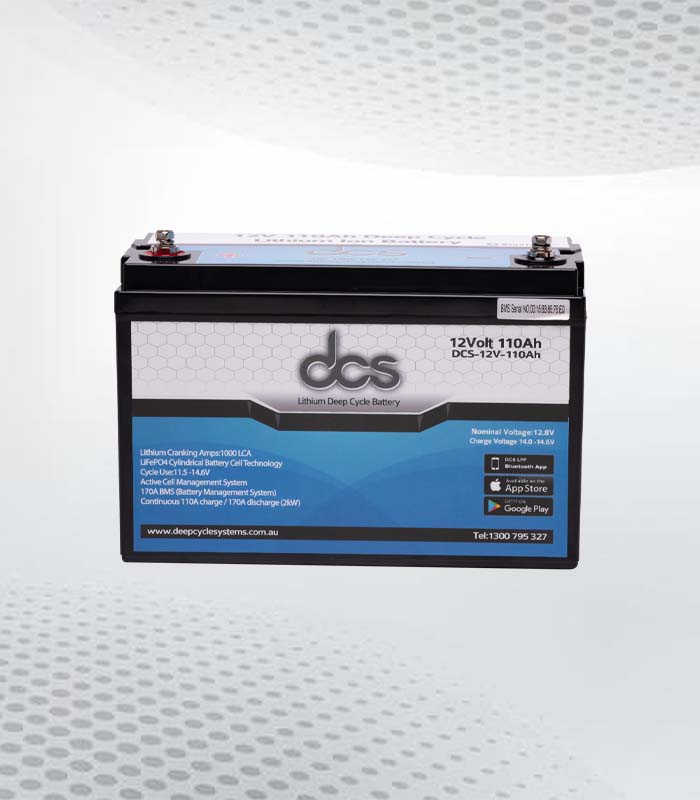 24v Lifepo4 Battery: Energy Density and Efficiency Compared
A pivotal factor distinguishing 24v Lifepo4 Battery from LiPo batteries is their energy density, where LiPo variants have the upper hand. LiPo batteries, known for their high energy density, can store more energy within a more compact and lightweight framework.
This characteristic is particularly beneficial in scenarios where space conservation and weight reduction are crucial, such as in portable electronic devices, unmanned aerial vehicles, and other applications demanding a sleek, lightweight power source.
Moreover, the efficiency of a battery, which relates to its ability to retain and deliver stored energy effectively, plays a significant role in determining its suitability for various applications.
LiPo batteries excel in packing more energy into a smaller volume and display admirable efficiency, especially in high-demand situations where rapid discharge rates are necessary. This efficiency, however, is balanced with the nuanced needs of specific applications, where the longevity and stability of LiFePO4 might align better with long-term energy storage or sustained use scenarios.
It is imperative to assess the trade-offs between LiPo batteries’ high energy density and efficiency and the safety, durability, and cycle life of LiFePO4 batteries. This assessment ensures that the chosen battery aligns with the user’s priorities, whether they lean towards compact, high-power output solutions or safer, long-lasting energy storage options.
24v Lipo Battery: Lifespan and Durability Differences
A critical consideration when selecting a battery is its capacity to withstand the test of time and usage – essentially, its lifespan and durability. In this arena, 24v Lipo Battery typically overshadows their LiPo counterparts.
- The LiFePO4 technology, characterised by its use of lithium iron phosphate, endows these batteries with an impressive cycle life. They can endure thousands of charge and discharge cycles before exhibiting significant degradation in capacity. This resilience to frequent cycling makes them an apt choice for applications where batteries are regularly drained and recharged, without the constant need for replacement.
- Conversely, while offering the boon of high discharge rates beneficial for high-demand scenarios, LiPo batteries fall short in cycle longevity. They are engineered for performance rather than persistence, which mean they may not sustain their original capacity over as many cycles as LiFePO4 batteries. However, their ability to deliver intense bursts of energy makes them indispensable for specific high-performance tasks, despite the compromise on cycle life.
- Durability also extends to how well these batteries maintain their integrity under various physical and environmental conditions. LiFePO4 batteries, with their stable chemistry, are less prone to issues like swelling or potential leakage over time, which could affect the battery’s performance and safety.
LiPo batteries, given their flexible, polymer-based construction, might be subject to physical deformation if not adequately protected, potentially leading to a shorter usable life in physically demanding environments.
Safety Features of LiFePO4 and LiPo Batteries
When evaluating the safety characteristics of LiFePO4 and LiPo batteries, it is paramount to consider their inherent chemical stability and response under adverse conditions. LiFePO4 batteries are distinguished by their remarkable safety profile, attributed to the intrinsic stability of lithium iron phosphate chemistry.
- This stability significantly mitigates the risk of thermal runaway, a dangerous reaction that can lead to battery fires or explosions. Consequently, LiFePO4 batteries are less likely to experience catastrophic failure even when subjected to harsh conditions such as overcharging, short-circuiting, or physical damage.
- On the contrary, LiPo batteries, while offering superior energy density and flexibility, present a higher susceptibility to thermal runaway. Although the use of a polymer electrolyte in these batteries is beneficial for weight and form factor, it does not inherently possess the same level of chemical stability as lithium iron phosphate.
- This susceptibility emphasises the importance of rigorous monitoring and protective measures, including implementing battery management systems (BMS) that monitor cell temperatures and voltages to prevent overheating and overcharging.
- In scenarios where batteries are exposed to extreme temperatures, physical stress, or improper charging practices, the distinction in safety between LiFePO4 and LiPo becomes more pronounced. LiFePO4’s robustness under such conditions makes it a favourable choice for applications where safety is of utmost concern, reducing the likelihood of hazardous events. Meanwhile, the utilisation of LiPo batteries necessitates stringent adherence to safety guidelines and precautions to circumvent potential risks.
Understanding these safety nuances is crucial for users and manufacturers alike, guiding the selection process towards the battery type that aligns with their intended application’s specific safety requirements and risk tolerances.
While both battery types bring forth their own advantages, recognising and addressing the safety implications is fundamental to ensuring the well-being of users and the longevity of the devices they power.
Environmental Impact and Recyclability
The ecological footprint and the ability to repurpose or recycle used batteries are critical considerations in today’s increasingly environmentally conscious world.
- LiFePO4 batteries stand out due to their straightforward chemistry, which lends itself more readily to recycling processes. This attribute contributes to reducing waste and supports the circular economy by enabling the recovery of valuable materials. The relatively benign nature of lithium iron phosphate reduces the risk of environmental contamination, a concern often associated with battery disposal.
- On the other hand, LiPo batteries, despite their high energy density and performance benefits, present more of a challenge in terms of recycling. The polymer electrolyte and complex construction of these batteries necessitate specialised recycling processes, which can be less efficient and more costly than those for LiFePO4 batteries.
- Furthermore, the materials recovered from LiPo batteries are often of lower economic value, which can disincentivise recycling efforts. This comparison highlights the importance of considering the immediate benefits of a battery technology and its long-term implications for the environment.
Choosing a battery with a lower environmental impact and higher recyclability can contribute significantly to sustainability goals, making LiFePO4 batteries an appealing option for those prioritising eco-friendly energy solutions. The progression towards more sustainable battery recycling methods continues to evolve, with both battery types playing a role in the transition to greener energy storage solutions.
Cost Comparison and Value for Money
Delving into the financial aspect, it’s evident that LiFePO4 batteries typically command a higher initial investment when juxtaposed with LiPo batteries. This disparity in upfront cost can be attributed to the intricate manufacturing process and the durable materials used in LiFePO4 batteries.
Despite the steeper initial cost, the longevity and robustness of LiFePO4 batteries unfold as a cost-effective solution over time. The extended cycle life means fewer replacements are required, diminishing the long-term expenditure and offering a more economical choice for users prioritising durability and reliability.
In contrast, LiPo batteries, whilst less expensive to purchase initially, may entail increased costs over their lifespan due to their shorter cycle life and the potential need for more frequent replacements. This cost dynamic is particularly relevant for applications that demand high discharge rates and do not necessitate prolonged battery life, where the initial cost savings could justify the choice of LiPo over LiFePO4 batteries.
The financial calculus extends beyond mere acquisition costs to include considerations such as maintenance, the necessity for additional safety mechanisms, and the potential costs associated with battery replacement and disposal. Users must evaluate the total cost of ownership, which encapsulates all these factors, to ascertain which battery type offers the best value aligned with their specific usage patterns and requirements.
Ideal Applications for Each Battery Type
Choosing the right battery type hinges on the intended use, as each variety excels under different conditions. LiFePO4 batteries, with their remarkable cycle life and inherent safety, are supremely suited to roles that demand reliability over extended periods.
These batteries shine in stationary applications like renewable energy storage, where they can reliably accumulate and dispatch power over many years with minimal degradation. They’re also the go-to choice for electric vehicles and marine applications, where their stability and safety are paramount, reducing the risk of accidents in scenarios that involve high power levels and potential exposure to harsh conditions.
Conversely, LiPo batteries, known for their lightweight nature and superior energy density, are ideal for mobile applications where every gram counts. Their ability to deliver high discharge rates makes them indispensable in high-performance contexts such as drones, remote-controlled vehicles, and high-end portable electronics.
These applications benefit from the battery’s compact size and ability to provide bursts of power, enabling enhanced performance and longer operational periods between charges. However, the application of LiPo batteries extends beyond just the realm of mobility and performance; they are also utilised in scenarios where the battery form factor needs to be tailored to fit specific design constraints, showcasing their versatility.
Therefore, each battery type caters to distinct sectors, guided by the underlying requirements for energy density, weight, safety, and durability. These considerations should inform the selection process, ensuring that the chosen battery not only meets the immediate performance criteria but also aligns with broader operational and safety objectives.
FAQs
Frequently asked questions provide valuable insights into the practical considerations and common concerns regarding using LiFePO4 and LiPo batteries. Below are responses to two often posed enquiries that shed light on these battery types’ suitability and safety aspects.
Is it feasible to replace a LiFePO4 battery with a LiPo battery, and vice versa, in an existing application?
Replacing a LiFePO4 battery with a LiPo battery or the other way around requires a careful assessment of the application’s specific power, weight, and safety requirements. Due to the inherent differences in their chemical makeup, performance characteristics, and form factors, these batteries are not directly interchangeable.
Considering the potential risks, how do the safety profiles of LiPo and LiFePO4 batteries compare, and what precautions should be observed?
While LiPo batteries present a higher propensity for thermal runaway than LiFePO4 batteries, it’s important to contextualise this within appropriate handling and usage. LiPo batteries necessitate stringent adherence to safety protocols, including proper charging practices, storage conditions, and the implementation of protective technologies such as battery management systems. Adhering to these guidelines significantly mitigates the risks associated with LiPo batteries.
Conclusion
Navigating the choice between LiFePO4 and LiPo batteries necessitates a nuanced understanding of their distinct attributes and how these translate into real-world applications. The decision should hinge on a balanced evaluation of critical factors including the desired energy density, safety considerations, anticipated lifecycle, budget constraints, and the environmental ramifications of each battery type. On the other hand, LiPo batteries, with their superior energy density and flexible form factor, cater to the demands of portable electronics and high-performance tasks where size and weight are crucial parameters.
| Other Good Articles to Read |
| Blogs-Nation |
| Blogs-Peoples |
| Bryan Smith Blogs |
| Intellect Blogs |
| The Fault In Our Blogs |
| Blogs Eu |
| Oz Forums |
| Recruitment Blogs |
| Zet Blogs |
| Id Blogs |
| Blogs Tudiolegale |
| Blogs Map |
| Related Business Listings |
| Directory Submissions |
| Regional Directory |