

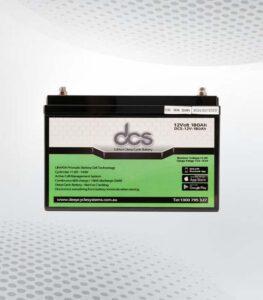

In today’s world, where technology and energy consumption are constantly evolving, finding a reliable and powerful energy source is crucial. That’s where the 100 amp lithium ion battery comes in. With its impressive capacity and efficient performance, this battery has become a game-changer in the world of energy storage. Whether you’re powering a car, boat, or even your home, the 100 amp lithium-ion battery offers a revolutionary solution that is both lightweight and long-lasting. Let’s take a closer look at this cutting-edge technology and how it is unleashing power like never before.
Understanding the 100 Amp Lithium-Ion Battery
The 100 amp lithium-ion battery, a marvel of modern energy storage, employs lithium ions as a key component in its chemistry. This battery variant stands out for its high energy density, which allows it to store more power in a lighter and more compact form compared to traditional batteries. At the heart of its operation is the movement of lithium ions between the cathode and anode during charge and discharge cycles. This process is highly efficient, contributing to the battery’s notable longevity and reliability.
A distinguishing feature of the 100 amp lithium-ion battery is its nominal voltage, typically around 3.6 to 3.7 volts, which is higher than that of nickel-cadmium or lead-acid batteries. This higher voltage can lead to significant space and weight savings for applications requiring the same amount of power. Furthermore, these batteries exhibit low self-discharge rates, meaning they retain their charge for longer periods when not in use, making them ideal for a variety of applications, from emergency backup systems to daily use in high-demand environments.
Another crucial aspect of lithium-ion batteries is their versatility in terms of shapes and sizes, owing to the flexible nature of lithium-ion chemistry. This adaptability enables manufacturers to design batteries tailored to specific devices or applications, ensuring optimal performance and integration. Overall, the 100 amp lithium-ion battery embodies a significant leap forward in battery technology, offering a combination of high power, efficiency, and adaptability that is unrivalled by older battery types.
The Advantages of Using a 100Ah Lithium Battery
The adoption of a 100Ah lithium battery brings forth an array of advantages that significantly outweigh those of its traditional counterparts. Chief among these benefits is the unparalleled energy density this type of battery offers.
With the ability to store a substantial amount of energy in a compact and lightweight package, 100Ah li batteries enable a level of portability and efficiency not possible with older battery technologies. This characteristic is particularly beneficial for mobile applications, where reducing the weight without compromising on power is paramount.
Moreover, lithium batteries boast a superior cycle life, capable of enduring thousands of charge-discharge cycles with minimal degradation in performance. This durability translates to a longer lifespan, reducing the need for frequent replacements and thus lowering the long-term cost of ownership. Additionally, the 100Ah li battery exhibits exceptional discharge efficiency, capable of delivering consistent power output even under extreme conditions, making it ideal for applications demanding reliable and stable energy supply.
Environmental considerations also favour the use of lithium batteries. They contain no harmful metals, such as lead or cadmium, often found in other battery types, making them a more environmentally friendly option. Coupled with their low maintenance requirements, 100Ah li batteries present a compelling choice for those seeking to minimise their environmental footprint while benefiting from high-performance energy storage solutions.
Safety Features and Maintenance of Lithium Ion Batteries
Lithium ion batteries, including the 100 amp variety, are designed with several safety features to mitigate the risks associated with their use. One of the primary safety mechanisms is the built-in battery management system (BMS). This system continuously monitors the battery’s key operational parameters such as voltage, current, and temperature.
Should any of these parameters exceed their predetermined safe ranges, the BMS can intervene by disconnecting the battery from its load or charger, thereby preventing potential overcharging, overheating, or excessive discharge situations that could lead to battery damage or failure.
Additionally, most lithium ion batteries are equipped with venting systems. These systems are designed to release excess gas safely in the event of internal pressure build-up, reducing the risk of explosion. Manufacturers also incorporate various chemical additives into the battery cells to enhance thermal stability and lower the risk of combustion.
As for maintenance, lithium ion batteries are relatively low-maintenance compared to their lead-acid counterparts. However, it is crucial to ensure they are charged using a compatible charger that matches the battery’s specifications to avoid overcharging. It’s also advisable to store these batteries in a cool, dry place and avoid exposing them to extreme temperatures, as excessive heat or cold can degrade their performance and lifespan. Regular visual inspections can help identify any potential issues, such as swelling or damage to the battery casing, allowing for timely intervention.
Applications of 100 Ah Lithium Battery
The applications of a 100 Ah lithium battery span a diverse array of fields, reflecting its versatility and high performance. In the realm of renewable energy, these batteries are increasingly favoured for solar power storage solutions. Their ability to efficiently store large amounts of energy makes them ideal for capturing the power generated from solar panels during the day, to be used at night or during low sunlight periods. This is not only beneficial for residential solar power systems but also for off-grid applications where reliable energy storage is crucial.
In the automotive industry, the shift towards electric vehicles (EVs) has seen a significant uptick in the use of 100 Ah lithium batteries. Their high energy density and longevity make them perfect for powering electric cars, offering extended range and durability over traditional lead-acid batteries. Similarly, the marine sector benefits from these batteries, where they are used to power electric boats or as auxiliary power sources for navigation systems, lights, and other onboard electronics, thanks to their robust performance in varying temperatures and conditions.
Leisure applications, including caravans and camping, also take advantage of the 100-Ah lithium battery’s capabilities. Its lightweight nature and the ability to deliver consistent power output make it an excellent choice for powering amenities in recreational vehicles or for portable power needs in remote camping locations.
In essence, the widespread adoption of the 100-Ah lithium battery across these sectors underscores its adaptability, efficiency, and the transformative role it plays in powering modern life.
Comparing 100Ah Li Batteries to Traditional Alternatives
When comparing 100Ah li batteries to their traditional counterparts, such as lead-acid batteries, several key differences become apparent, marking a substantial shift in energy storage efficiency and usability.
First and foremost, the energy density of lithium batteries far surpasses that of lead-acid types, enabling a significantly higher amount of energy to be stored in a comparably smaller and lighter package. This distinction alone makes lithium batteries a more practical choice for applications where space and weight are critical considerations.
Additionally, lithium batteries exhibit a much lower rate of self-discharge than lead-acid batteries. This characteristic ensures that they retain their charge for longer periods when not in use, reducing the need for frequent recharging and thus offering greater convenience to the user. The operational lifespan of lithium batteries also outmatches that of lead-acid batteries, with lithium capable of enduring several thousand charge-discharge cycles before any notable degradation in performance occurs. This leads to a longer service life and, ultimately, a more cost-effective solution over time.
Lead-acid batteries, whilst initially cheaper, require more maintenance and are susceptible to the effects of sulfation if not regularly charged, which can severely impact their lifespan and reliability. In contrast, lithium batteries require minimal maintenance, making them a more user-friendly option.
Given these factors, the shift towards lithium batteries, particularly the 100Ah variant, represents a strategic move towards more efficient, durable, and user-friendly energy storage solutions, distinguishing them clearly from traditional alternatives in the market.
Choosing the Right 100 Amp Lithium-Ion Battery for Your Needs
Selecting the appropriate 100 amp lithium-ion battery requires careful consideration of several factors to ensure it perfectly aligns with your specific energy needs. Initially, assess the intended application, whether it’s for renewable energy storage, electric vehicles, marine use, or portable power solutions.
Each application demands varying power outputs and operational longevity, influencing your choice significantly. Secondly, evaluate the battery’s energy capacity, denoted in ampere-hours (Ah), to ensure it meets your power consumption requirements efficiently. A higher Ah rating indicates a larger energy storage capacity, which could be vital for applications requiring sustained power over extended periods.
Another critical aspect is the battery’s discharge and charge rate, which affects how quickly it can be charged and how much power it can deliver at any given moment. For high-demand applications, opting for a battery with a high discharge rate is essential. Additionally, consider the physical dimensions and weight of the battery, particularly for mobile applications where space and portability are crucial.
Compatibility with existing systems is also paramount. Ensure the battery’s voltage and connections align with your system to avoid unnecessary modifications or compatibility issues. Finally, factor in the longevity and warranty provided by the manufacturer. A longer warranty period and a proven track record of durability can offer peace of mind, ensuring your investment is protected. By taking these considerations into account, you can select a 100 amp lithium-ion battery that best suits your energy requirements, providing reliable and efficient power for your needs.
Future Trends in Lithium Ion Battery Technology
As we look towards the horizon, the trajectory of lithium-ion battery technology promises transformative advancements that will continue to redefine energy storage solutions.
Among the most anticipated developments is the evolution towards solid-state batteries. This innovation replaces the liquid or gel-form electrolytes with solid conductors, significantly enhancing safety by reducing the risks of leakage and combustion. Furthermore, solid-state batteries are expected to offer higher energy densities, potentially doubling the range of electric vehicles on a single charge compared to current lithium-ion batteries.
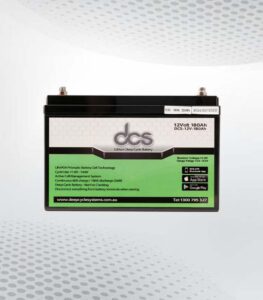 Another promising area of advancement lies in the improvement of battery recycling processes. As the demand for lithium-ion batteries escalates, so does the necessity for efficient recycling methods to recover valuable materials and reduce environmental impact. Emerging technologies are focusing on more cost-effective and environmentally friendly recycling techniques that could ensure a more sustainable lifecycle for lithium-ion batteries.
Additionally, research is intensifying around reducing the reliance on critical raw materials such as cobalt and lithium, which are limited in supply and subject to volatile markets. The development of alternative materials and chemistries, including lithium-sulphur and sodium-ion batteries, could offer more abundant and less contentious resources for future battery production.
These advancements, coupled with ongoing research into enhancing the charging speed and overall lifespan of batteries, signify a bright and dynamic future for lithium-ion battery technology. The potential for these innovations to propel us into a more energy-efficient, sustainable future is immense, laying the groundwork for further revolutionising how we store and use energy across a myriad of applications.
FAQs
Q1: Can 100Ah lithium batteries be used in any weather conditions?
A1: Whilst 100Ah lithium batteries exhibit robust performance across a wide range of temperatures, extreme conditions can impact their efficiency. They are generally more resilient to cold and heat compared to traditional batteries, but it’s advisable to consult the manufacturer’s guidelines regarding operational temperature ranges to ensure optimal performance.
Q2: How do 100 amp lithium-ion batteries compare in cost to traditional batteries?
A2: Initially, 100 amp lithium-ion batteries may present a higher upfront cost than their traditional counterparts. However, their longer lifespan, lower maintenance requirements, and higher efficiency often translate to a lower total cost of ownership over time, making them a more economical choice in the long run.
Q3: Are there any special considerations for disposing of or recycling 100Ah lithium batteries?
A3: Yes, lithium batteries should not be disposed of in regular household waste due to their chemical components. They require specialised recycling processes to safely recover valuable materials and prevent environmental harm. It’s important to refer to local regulations and recycling programmes specifically designed for lithium batteries.
Q4: Can I upgrade my existing system to a 100Ah lithium battery easily?
A4: Upgrading to a 100Ah lithium battery can be straightforward, but it depends on your system’s compatibility with the battery’s voltage and connections. It’s crucial to assess these aspects and, if necessary, consult with a professional to ensure a seamless integration without risking damage to your system or the battery.
Conclusion
In summary, the 100 amp lithium-ion battery stands as a pivotal development in energy storage, blending unparalleled energy density with efficiency and versatility across a spectrum of applications. Its advantages over traditional battery technologies are clear, offering a sustainable, long-term solution for a variety of power needs. As we continue to witness the evolution of lithium-ion technology, its role in driving forward the realms of renewable energy, electric vehicles, and beyond is undeniable. Embracing this technology is not just a step towards better energy storage solutions; it’s a leap towards a more efficient, sustainable future.
| Other Good Articles to Read |
| Blogs-Nation |
| Blogs-Peoples |
| Bryan Smith Blogs |
| Intellect Blogs |
| The Fault In Our Blogs |
| Blogs Eu |
| Oz Forums |
| Recruitment Blogs |
| Zet Blogs |
| Id Blogs |
| Blogs Tudiolegale |
| Blogs Map |
| Related Business Listings |
| Directory Submissions |
| Regional Directory |