

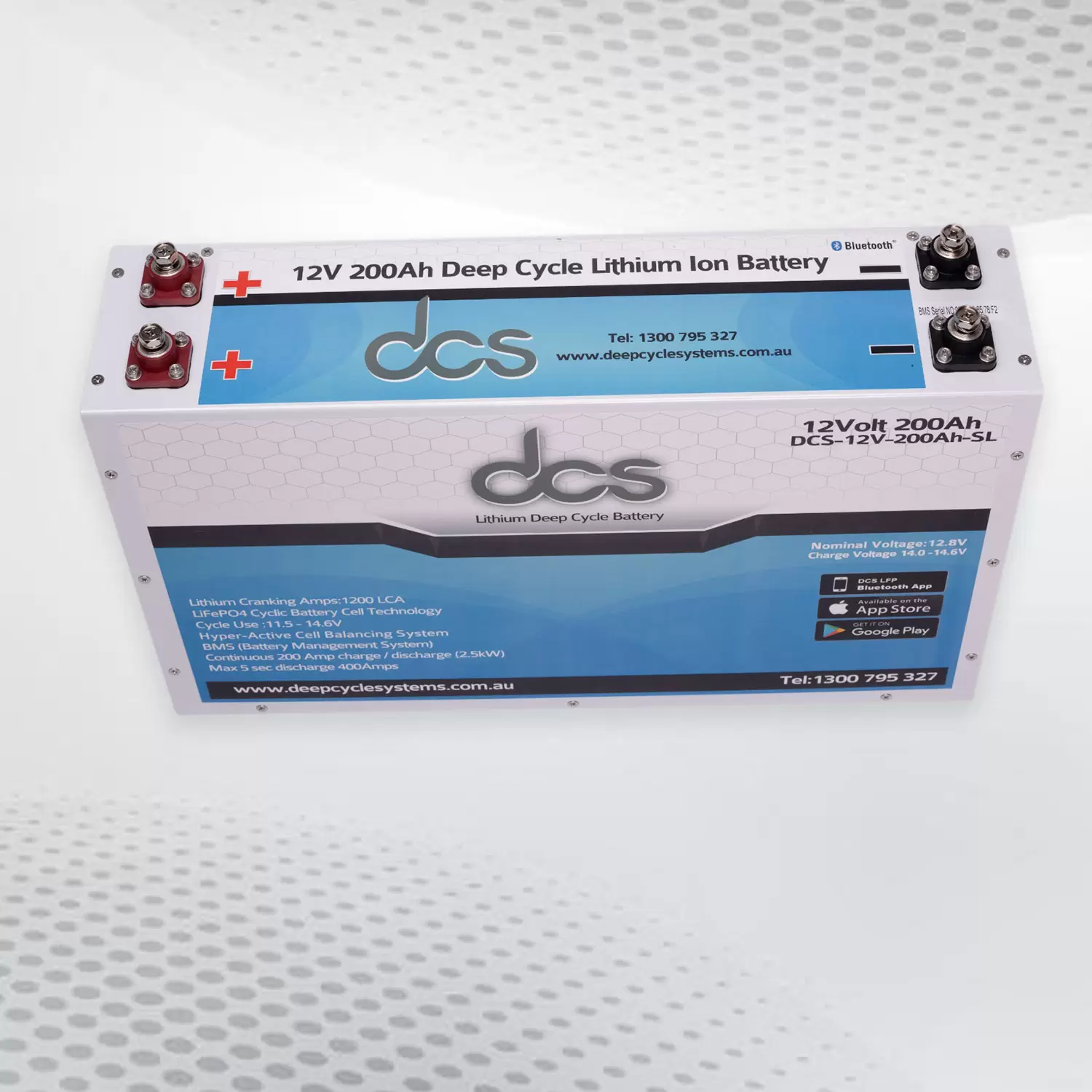

In the world of energy storage, the 12v 200ah battery stands out as a powerhouse. Suitable for a variety of applications, from off-grid energy systems to powering recreational vehicles, this battery type combines high capacity with the convenience of portability. But how can you ensure you’re getting the most out of your investment? Let’s delve into the essentials of maximising the potential of your 12v 200-ah battery.
Understanding the Basics of a 12V 200-ah Battery
A 12V 200-ah battery is essentially an energy storage unit, offering a blend of voltage and capacity designed for a variety of uses. The term ’12v’ signifies its voltage level, highlighting the electric potential it can deliver. Meanwhile, ‘200ah’ stands for ampere-hours, a measure indicating the battery’s energy storage capacity.
To put this into perspective, under optimal conditions, such a battery could theoretically supply 1 ampere of current over 200 hours, or alternatively, 10 amperes over a 20-hour period. This capacity allows for sustained energy delivery over time, making it an ideal choice for applications requiring consistent power over extended periods.
Understanding these fundamental attributes is vital for optimising the performance and enhancing the lifespan of the battery. It involves recognising how the balance between voltage and capacity impacts its ability to meet specific energy demands.
Furthermore, this knowledge aids in making informed decisions regarding the appropriate charging practices, thereby ensuring the battery is neither overexerted nor underutilised. By grasping these basic principles, users can more effectively manage their 12V 200-ah batteries, ensuring they perform efficiently across their intended applications.
Maximising Battery Life: Maintenance Tips
Ensuring the longevity and efficiency of your 12v 200-ah battery hinges on adopting effective maintenance practices. Here are pivotal tips for nurturing your battery’s health:
Consistent Charging: Allowing your battery to completely deplete can lead to premature cell degradation. It’s advisable to maintain a regular charging routine, even if the battery isn’t in constant use, to avert such deterioration.
Charger Compatibility: Utilising a charger that aligns with your battery’s specifications is crucial. Inappropriate charging, be it over or under, can substantially diminish the lifespan of your battery. Hence, always opt for a charger designed to complement your battery’s voltage and capacity requirements.
Temperature Management: Batteries are susceptible to temperature extremes. Exposure to very high or low temperatures can impair their performance and longevity. Whenever feasible, store and operate your battery within a temperate, controlled environment to mitigate adverse effects.
Terminal Maintenance: Corrosion and build-up on the battery terminals can obstruct the efficient transfer of energy. Regularly inspect and clean the terminals and connections to ensure they remain free from corrosion. This simple step can significantly enhance the overall performance and lifespan of your battery.
Adhering to these maintenance tips will not only prolong the life of your 12v 200-ah battery but also ensure it remains a reliable source of power for your needs.
The Versatile Applications of a 12 Volt 200 Ah battery
The 12 volt 200 ah battery boasts an impressive range of applications, illustrating its adaptability in both residential and commercial settings. This battery finds its perfect fit in solar energy systems, acting as a critical component for storing energy in off-grid setups or as a backup power source. Its substantial capacity makes it an ideal candidate for renewable energy storage, ensuring that homes and businesses remain powered even during periods of low sunlight.
In the realm of leisure and travel, these batteries are indispensable for recreational vehicles (RVs) and boats. They provide a reliable source of energy for powering on-board appliances, navigation systems, and entertainment devices, enhancing the comfort and convenience of travel experiences. The robustness of a 12-volt 200-ah battery ensures that adventurers can rely on consistent power, regardless of their location.
These batteries are also pivotal in uninterruptible power supply (UPS) systems, offering an essential safety net for critical systems and data centres. In the event of a power failure, the battery kicks in, preventing data loss and ensuring continuity of operations. This application underscores the battery’s role in supporting infrastructure and safeguarding essential services.
Furthermore, mobility devices, such as electric wheelchairs and scooters, benefit significantly from the deep cycle nature of these batteries. They deliver sustained power output, enabling greater independence for users with mobility challenges. This application highlights the battery’s contribution to enhancing quality of life through improved mobility.
Safety Precautions When Handling Your Battery
When engaging with your 12v 200-ah battery, prioritising safety is crucial to prevent accidents and ensure your wellbeing. It is essential to don protective equipment; gloves and safety goggles are paramount to shield yourself from potential acid spills and explosive mishaps.
These batteries can emit hazardous gases, so it’s vital to handle them in areas that are well-aired, reducing the risk of gas accumulation. Fire safety cannot be overstated; ensure that the vicinity of the battery is free from open flames, cigarettes, or any sources of sparks to avert the risk of ignition. Additionally, be mindful of the correct procedure for battery disposal. Incorrect disposal can pose environmental hazards and safety risks.
Adhere strictly to the guidelines set out by your local authority on the disposal and recycling of batteries. This not only safeguards your immediate environment but contributes to a broader commitment to environmental stewardship. By observing these safety measures, you can minimise risks and promote a secure environment for yourself and others around you when handling your battery.
The Environmental Impact and Recycling Options
The use of 12v 200ah batteries, whilst instrumental in powering a multitude of devices and systems, does not come without its environmental implications. The manufacturing and disposal processes of these batteries incorporate materials that could pose significant environmental hazards if not managed correctly.
However, it is noteworthy that the lifecycle of a 12v 200-ah battery encompasses several eco-friendly practices, primarily through recycling. The majority of the components, such as lead in lead-acid batteries, are highly recyclable, and through conscientious recycling efforts, the environmental footprint of these batteries can be substantially reduced.
In various countries, the recycling rate for such batteries exceeds 90%, illustrating a successful model of mitigating environmental impact through responsible end-of-life management. Recycling not only conserves natural resources but also decreases the demand for raw materials, curbing the environmental degradation associated with mining and extraction.
Users of these batteries are encouraged to familiarise themselves with local recycling programmes and regulations. Engaging with authorised recycling centres ensures that batteries are processed in an environmentally sound manner, preventing hazardous materials from contaminating soil and water sources.
Choosing the Right 12V 200-Ah Battery for Your Needs
Selecting the appropriate 12V 200-Ah battery requires careful consideration of several key factors that directly influence its performance and suitability for your specific applications.
Firstly, identify the battery technology that best aligns with your requirements; options include Absorbed Glass Mat (AGM), Gel, and Lithium batteries, each offering distinct advantages. For instance, AGM batteries are known for their resilience and fast charging capabilities, making them ideal for high-demand environments, whereas Gel batteries excel in deep discharge applications and are less prone to degradation over time.
Evaluate the anticipated lifespan and warranty provisions of the battery, as these aspects are indicative of its quality and long-term reliability. It’s essential to ensure that the battery’s life expectancy matches or exceeds your requirements to avoid frequent replacements and unexpected downtimes.
Understanding the specific usage scenarios of the battery is paramount. Assess your energy needs to determine whether the battery’s capacity and discharge rates align with the demands of your equipment or system. This consideration is crucial for applications such as solar energy storage, recreational vehicles, and uninterruptible power supply systems, where consistent and reliable power is indispensable.
Lastly, consider the financial aspect of your investment. While some battery types may have a higher initial cost, factors such as longer lifespan, reduced maintenance, and superior performance could offer greater value over time. Balancing cost with the benefits provided by different battery technologies will guide you in making an informed decision that meets both your power requirements and budgetary constraints.
Innovative Trends in Battery Technology
 The landscape of battery technology is witnessing rapid advancements, poised to redefine the capabilities and applications of energy storage solutions. Leading the charge are lithium-ion batteries, which have significantly outpaced traditional counterparts in terms of efficiency and operational lifespan. These batteries are renowned for their high energy density, offering substantial power reserves in a compact form factor, thereby enabling a broader range of portable applications.
Equally transformative are the strides being made in solid-state battery technology. Unlike their liquid electrolyte-based predecessors, solid-state batteries utilise a solid electrolyte, which not only enhances safety by reducing the risk of leaks and fires but also holds the promise of higher energy densities and longer lifecycles. This advancement could potentially double the energy storage capacity, making them an exciting frontier for electric vehicles and renewable energy storage systems.
Another noteworthy trend is the push towards sustainability through innovative recycling technologies. As the global demand for batteries escalates, so does the necessity for efficient recycling methods that can recover valuable materials and mitigate environmental impact. Pioneering processes are being developed to recapture and reuse materials from spent batteries, thereby closing the loop and fostering a more sustainable battery ecosystem.
These innovations are not merely theoretical but are rapidly transitioning into commercial realities, promising to usher in an era of more durable, efficient, and environmentally friendly battery technologies.
FAQs
Is a 12v 200ah battery suitable for my solar panel setup?
Absolutely, this type of battery is highly recommended for solar energy systems, offering ample storage capacity to ensure reliability and efficient energy use.
What frequency should I adhere to for charging my 12v 200ah battery?
Maintaining a consistent charging schedule is crucial. It is advisable to recharge the battery after each use to preserve its health and extend its lifespan.
How do AGM and Gel batteries differ?
While both fall under the lead-acid category, AGM batteries are favoured for their superior performance in colder climates and swift charging times. Conversely, Gel batteries excel in durability, particularly for deep discharge applications, making them a more suitable choice for certain specific needs.
Can I store my 12v 200ah battery indoors safely?
Storing this type of battery indoors is generally safe, especially in the case of AGM or Gel batteries, as they are designed to be sealed, minimising the risks associated with leakage or gas emissions. Nonetheless, ensuring adequate ventilation and adhering to the manufacturer’s safety recommendations is imperative to mitigate any potential risks.
Conclusion
The 12V 200Ah battery represents a significant stride forward in the realm of compact energy storage, embodying efficiency and robustness for a myriad of applications. Grasping the fundamentals of its operation, coupled with a commitment to diligent maintenance and adherence to safety protocols, enables users to unlock the full potential of these batteries. It is paramount for users to stay attuned to the latest developments in battery technology.
| jasontoffblogs |
| Blogs-Nation |
| Blogs-Peoples |
| Bryan Smith Blogs |
| Intellect Blogs |
| The Fault In Our Blogs |
| Blogs Eu |
| Oz Forums |
| Recruitment Blogs |
| Zet Blogs |
| Id Blogs |
| Blogs Map |
| Related Business Listings |
| Directory Submissions |
| Regional Directory |