

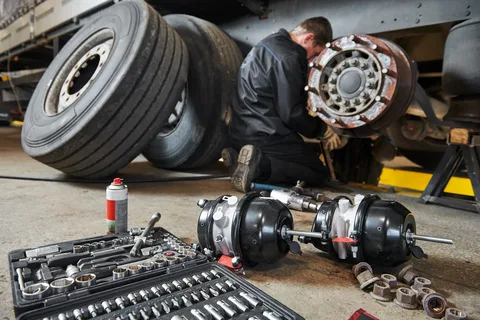

Whether you’re a seasoned road warrior or just starting to explore the freedom that trailers can offer, understanding the art of trailers repairs is essential for anyone looking to maintain their vehicle in top condition. Trailers, like any vehicle, require regular maintenance and occasional repairs to ensure they are safe and reliable for all your adventures. In this blog post, we will dive into the must-know tips and tricks of trailer maintenance, guiding you through common issues, DIY repairs, and when to seek professional help. Let’s get your trailer ready for the road ahead!
Understanding the Basics of Trailer Repairs
Embarking on the journey of trailer maintenance requires a fundamental understanding of what can go wrong and how to address these issues effectively. The spectrum of trailer repairs is broad, encompassing straightforward tasks such as ensuring tires are properly inflated and wheels are correctly aligned, to the more intricate procedures like addressing electrical faults or axle problems. A proactive approach begins with regular visual inspections, a practice that can unveil potential issues before they escalate into major concerns. Familiarity with the trailer’s anatomy is crucial; knowing where and what to look for – be it signs of wear on the tires, unusual noises indicating bearing issues, or rust patches that could compromise structural integrity – is half the battle won.
Adhering to the manufacturer’s maintenance schedule is another pillar of basic trailer care. These guidelines are designed to keep your trailer in optimal condition, detailing when certain components should be serviced or replaced. This not only aids in maintaining the trailer’s performance but also plays a significant role in ensuring safety on the road. Ignoring these recommendations can lead to accelerated wear and tear, ultimately shortening the lifespan of your trailer.
Initiating your journey into trailer repairs with these foundational practices sets the stage for a more in-depth understanding and capability in handling more complex issues, should they arise. This proactive stance on maintenance not only safeguards your investment but also contributes to a safer, more enjoyable towing experience.
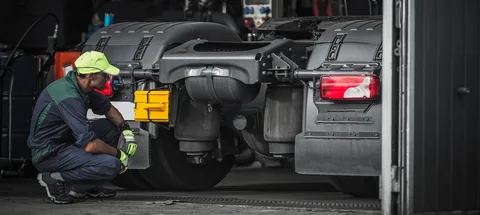 Identifying Common Trailer Issues and Their Solutions
Navigating through the challenges of trailer ownership, several prevalent issues frequently arise, demanding timely and effective solutions. Among these, tire troubles take the lead, where both flat and excessively worn tires can significantly hinder your trailer’s performance. Regular monitoring of tire pressure, coupled with inspections for adequate tread depth, can preemptively mitigate these concerns, ensuring a smooth journey. Lighting malfunctions also pose a common setback, often traced back to defective bulbs or compromised wiring. A systematic check of the electrical system, followed by the replacement of any faulty components, can swiftly restore functionality to your trailer’s lighting.
Rust and corrosion, enemies of longevity, can severely deteriorate your trailer’s structural integrity. Early detection through routine inspections, followed by thorough cleaning and the application of rust-preventive measures, can halt the progression of such damaging effects. Furthermore, issues within the brake system or suspension not only compromise safety but also affect the trailer’s handling. Regular servicing, aligned with the manufacturer’s recommendations, ensures these critical systems remain in optimal condition, safeguarding against potential failures.
In tackling these common issues, a proactive and informed approach not only extends the lifespan of your trailer but also enhances its reliability for future excursions. By addressing these challenges with appropriate solutions, you secure a safer and more dependable experience on the road.
DIY Trailers Repair vs. Professional Help
Deciphering when to tackle trailer repairs yourself and when to enlist professional assistance is a key aspect of trailer maintenance. For enthusiasts equipped with mechanical aptitude and the necessary tools, engaging in DIY repairs can be both rewarding and cost-effective. Simple tasks such as changing out light fixtures, updating tires, and basic welding are within the realm of do-it-yourself capabilities. These activities not only provide a sense of accomplishment but also offer the opportunity to gain a deeper understanding of your trailer’s operational dynamics.
On the flip side, more complex issues, particularly those that involve the trailer’s structural integrity, brake systems, or intricate electrical work, demand a higher level of expertise. In these instances, seeking professional help is advisable to ensure repairs are executed safely and correctly. Professionals bring to the table specialized tools, diagnostic equipment, and a breadth of experience in troubleshooting and resolving sophisticated problems that might stump the average DIYer. This expertise is crucial when dealing with repairs that, if performed improperly, could lead to safety hazards or further damage to your trailer.
Therefore, evaluating the scope and complexity of the repair, alongside your skill level and the tools at your disposal, is fundamental in making an informed decision between DIY repairs and professional intervention. Engaging in routine maintenance and tackling manageable repairs yourself can be fulfilling and beneficial, but recognizing the limits of your abilities and when to call in experts is essential for the longevity and safety of your trailer.
Essential Tools for Trailer Repairs
For anyone venturing into the realm of trailer repairs, curating a set of essential tools is a foundational step. The cornerstone of your toolkit should be a reliable jack and sturdy jack stands, critical for lifting and securing your trailer safely during repairs. Precision in monitoring and adjusting tire pressure is facilitated by a high-quality tire pressure gauge, an indispensable tool for maintaining optimal tire health.
A comprehensive set of wrenches and screwdrivers caters to a variety of fastening and loosening tasks, from simple adjustments to more involved component replacements. Pliers, indispensable for gripping and manipulating parts, along with a dependable hammer, round out the basics for mechanical adjustments and fittings.
For those delving into electrical maintenance or repairs, a circuit tester becomes crucial, enabling you to diagnose and address electrical system issues with confidence. The toolkit for a DIY enthusiast interested in broader repair tasks might also include a welding kit, a valuable asset for handling metal repairs and modifications with permanence and strength.
Equipped with these tools, you’re prepared to tackle a wide range of maintenance tasks and common repairs. This toolkit not only empowers you to perform regular upkeep with ease but also equips you for unexpected repairs, ensuring your trailer’s readiness for any adventure.
Step-by-Step Guide to Replacing Trailer Tires
Initiating a tire replacement begins by ensuring the trailer is parked on a stable, level surface. Engage the parking brake and place wheel chocks around the tires not being replaced to prevent the trailer from moving. With the use of a jack, carefully lift the trailer until the tire you’re replacing is off the ground, then secure the trailer with jack stands for safety.
Proceed to remove the lug nuts with a wrench, turning counterclockwise. Once the lug nuts are loosened, you can remove them completely by hand. Gently pull the tire towards you to detach it from the trailer. It’s essential at this point to inspect the lug nuts and the area around the wheel hub for any signs of wear, damage, or corrosion that could impact the safety or performance of the new tire.
Before placing the new tire onto the hub, ensure the rim is clean and undamaged. Align the new tire with the wheel studs and push it into place. Hand-tighten the lug nuts onto the studs to secure the tire, then use the wrench to tighten them further. It’s crucial to follow a star or crisscross pattern when tightening to ensure even pressure and prevent the rim from warping.
Lower the trailer back to the ground by carefully removing the jack stands and using the jack to bring the trailer down slowly. Once the trailer is fully lowered, give the lug nuts a final tighten to the manufacturer’s recommended torque setting. This ensures the tire is securely attached and ready for travel. Finally, remove the wheel chocks, and your trailer is set to continue your journey with a new tire in place.
How to Address Rust and Corrosion?
Battling rust and corrosion is pivotal for preserving your trailer’s structural health and safety. Begin the remediation process by meticulously scrubbing the corroded area with a wire brush or sandpaper. This initial step is critical for eliminating any flaking rust or peeling paint, creating a smooth surface for treatment. After thoroughly cleaning the area, it’s essential to apply a rust inhibitor or converter. These specialized solutions work by converting existing rust into a stable compound or creating a protective barrier to prevent further oxidation.
Once the inhibitor has dried, applying a primer is your next move. Choose a high-quality primer designed for metal surfaces, ensuring it offers rust-inhibiting properties. Following the primer, apply a coat of paint matched to your trailer’s color. Opt for paints formulated to resist rust and withstand the rigors of road use, providing a durable finish that extends the lifespan of your repair.
For areas with extensive damage that cleaning and painting cannot address, consider replacing the affected metal. This may require cutting out the damaged section and welding in new metal—a task best left to professionals if you’re not experienced in welding.
Preventative measures are equally crucial in combating rust and corrosion. Regularly inspect your trailer for any signs of rust, especially in areas prone to moisture accumulation. Ensuring your trailer is clean, particularly after exposure to salt during winter months or coastal environments, is vital. Applying a sealant or protective coating can offer additional defense against the elements, keeping your trailer robust and ready for the road.
By adhering to these steps, you can effectively tackle rust and corrosion, safeguarding your trailer’s integrity and functionality.
FAQs about Trailers Repairs
*Q: What’s the best way to prevent trailer tire issues?*
A: Consistent checks for proper tire inflation and ensuring your tires have adequate tread depth are key. Also, rotate your tires according to the manufacturer’s schedule to promote even wear.
*Q: How often should electrical systems be checked?*
A: It’s wise to inspect your trailer’s electrical systems regularly, ideally before each trip. Look for signs of wear in the wiring, test the lights, and replace any faulty bulbs to prevent malfunctions while on the road.
*Q: Is it necessary to repaint my trailer after addressing rust?*
A: Yes, after removing rust and applying a rust inhibitor, repainting with a rust-resistant paint not only restores the trailer’s appearance but also adds a protective layer against future corrosion.
*Q: Can I replace trailer parts with any brand, or should they match the original manufacturer?*
A: While some parts are universal, it’s recommended to use parts from the original manufacturer or those specified by the manufacturer. This ensures compatibility and maintains the integrity of your trailer’s performance.
*Q: What should I do if I’m unsure about a specific trailers repairs?*
A: If you’re uncertain, it’s best to consult a professional. Trailer repairs can impact safety, and professionals have the expertise and tools to diagnose and fix issues correctly.
*Q: How do I know if my trailer’s brakes need servicing?*
A: Signs that your trailer’s brakes may need servicing include unusual noises when braking, decreased stopping efficiency, or the brake system warning light turning on. Regular inspections can help identify these issues early.
Conclusion
Navigating the world of trailer maintenance and repair is an essential skill for ensuring the longevity and safety of your mobile companion. Armed with a fundamental understanding of common issues, the confidence to tackle DIY projects, and the wisdom to recognize when professional expertise is required, you’re equipped to handle the demands of trailer upkeep. Regular inspections and adhering to a maintenance schedule are pivotal, allowing for the early detection of potential problems and preventing them from escalating into more significant concerns.
Equipping yourself with the necessary tools and knowledge to perform basic repairs not only fosters a deeper connection with your trailer but also empowers you to act swiftly and efficiently should issues arise. The satisfaction derived from successfully executing repairs cannot be overstated, enhancing not just the reliability of your trailer but also your sense of achievement.
However, the journey doesn’t end with fixing current problems. Proactive measures, such as routine checks and applying preventative treatments, play a crucial role in warding off future issues. Understanding the importance of quality parts, compatible replacements, and the impact of environmental factors on your trailer’s condition further contributes to a holistic approach to trailer care.
Ultimately, the goal is to ensure that your trailer remains a dependable partner in all your travels. Through diligent care, timely repairs, and an ongoing commitment to maintenance, your trailer will continue to serve as a safe and reliable vessel for your adventures. Embrace the journey of learning and improvement, and let your experiences enrich both your knowledge and the quality of your trailer’s life on the road.
| Related Business Listings |
| Contact Directory |
| Local Business Profiles |