


Are you tired of relying on an unreliable power grid to keep your home running? If so, it may be time to consider investing in an off grid battery. Off-grid battery systems are becoming increasingly popular as they provide a reliable and sustainable power source. They are also relatively easy to install and maintain. That blog post will explain why an off-grid battery system is necessary for anyone looking to stay connected and powered.
Why Go Off-Grid With Battery Power?
When it comes to powering your home, relying solely on the grid can be a risky bet. Power outages are common and can leave you in the dark for hours or even days. That’s where an off-grid battery system comes in. Going off-grid with battery power gives you the peace of mind of having a reliable and consistent source of electricity. You no longer have to worry about the power going out during a storm or a blackout. An off-grid battery system lets you maintain power to essential appliances, lights, and devices, keeping your home functioning smoothly.
The Benefits Of Off Grid Lithium Battery
Off-grid batteries offer a range of benefits, making them an attractive option for homeowners and outdoor enthusiasts.
Independence And Reliability
First and foremost, off grid lithium battery provides independence and reliability. No longer will you have to worry about power outages leaving you in the dark or unable to use essential appliances. With an off-grid battery system, you can ensure a consistent source of electricity, even during storms or blackouts.
Sustainability
Another significant benefit of off-grid batteries is their contribution to sustainability. By harnessing renewable energy sources such as solar or wind power, you can reduce your carbon footprint and positively impact the environment. Off-grid battery systems store excess energy produced by renewable sources, allowing you to use it when needed, even during periods of low or no generation.
Flexibility And Versatility
Off-grid batteries also offer flexibility and versatility. Whether living in a remote area without access to the grid or exploring the great outdoors, off-grid batteries give you the freedom to power your devices wherever you go. Imagine enjoying modern conveniences while camping or having a reliable power source for your remote cabin.
Maximizing Energy Efficiency With An Off-Grid Lithium Battery
When maximizing energy efficiency with an off-grid battery system, choosing a lithium battery is a smart move. Lithium batteries offer several advantages over traditional lead-acid batteries, making them an ideal choice for off-grid power storage.
- One of the key benefits of using a lithium battery is its high energy density. This means that lithium batteries can store a significant amount of energy in a compact and lightweight design. This makes them perfect for off-grid applications where space may be limited.
- Another advantage of lithium batteries is their high charge efficiency. They can charge and discharge much faster than lead-acid batteries, allowing for faster and more efficient power storage. This means that you can recharge your lithium battery system quickly, ensuring you have power available when you need it most.
- Lithium batteries also have a longer lifespan compared to lead-acid batteries. They can handle more charge-discharge cycles, meaning they will last longer before needing to be replaced.
Lithium batteries have a low self-discharge rate, meaning they can hold their charge for longer periods without losing significant energy. This is especially important in off-grid scenarios where you may go days or weeks without charging access.
What To Look For In An Off-Grid Battery System?
When choosing an off-grid battery system, there are a few key factors to consider. These factors will ensure that you select a battery that meets your needs and provides reliable power for your off-grid lifestyle.
- First and foremost, consider the capacity of the battery. This refers to the amount of energy it can store, typically measured in kilowatt-hours (kWh). The capacity you choose will depend on the size of your home or the number of appliances and devices you plan to power.
- Next, consider the battery’s discharge rate. This refers to how quickly the battery can release its stored energy. A high discharge rate is important if you need to power large appliances or devices that require a lot of energy. However, remember that a higher discharge rate can impact the battery’s lifespan.
- Another important factor to consider is the battery’s cycle life. This refers to the number of charge-discharge cycles the battery can undergo before its capacity degrades significantly. Opt for a battery with a high cycle life to ensure that it lasts long and provides reliable power throughout its lifespan.
Choosing The Right Off-Grid Battery For Your Needs
When choosing the right off-grid battery for your needs, there are a few important factors to consider. First and foremost, think about the capacity of the battery. How much energy do you need to store? Consider the size of your home or the number of appliances and devices you plan to power. Selecting a battery with enough capacity to meet your daily energy needs is crucial, with a little extra for growth.
Next, think about the battery’s discharge rate. This refers to how quickly the battery can release its stored energy. A high discharge rate is important if you plan on powering large appliances or devices that require a lot of energy. However, remember that a higher discharge rate may affect the battery’s lifespan.
 Features To Consider When Shopping For An Off-Grid Battery
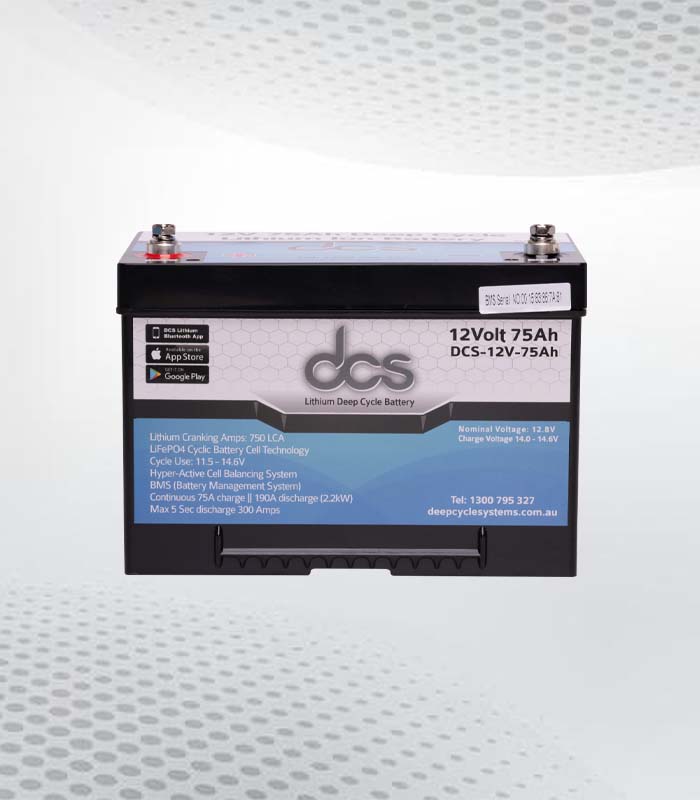
When shopping for an off-grid battery, several innovative features can enhance your overall experience and make your power storage system even more efficient and convenient. One feature to look for is smart battery management technology. This technology allows you to remotely monitor and control your battery system using your smartphone or computer.
Another innovative feature to consider is modular battery design. With a modular battery system, you can easily expand your storage capacity by adding additional battery modules. This flexibility allows you to start with a smaller system and gradually increase its capacity over time, matching your energy needs and budget.
Maintenance Tips For Your Off-Grid Battery System
Proper maintenance is crucial for ensuring your off-grid battery system’s longevity and optimal performance. Following these maintenance tips can keep your battery system running smoothly and efficiently for years.
- Regularly Inspect And Clean Your Battery System: Dust, dirt, and debris can accumulate on the surface of your battery, hindering its performance. Regularly inspect and clean your battery system to remove any dirt or obstructions. Use a soft cloth or brush to gently wipe away any dirt, and avoid using abrasive cleaners that may damage the battery’s casing.
- Check The Connections: Ensure all connections between the battery and the inverter, charge controller, and solar panels are tight and secure. Loose connections can result in a loss of power or inefficiency in the system. If you notice any loose or corroded connections, clean them thoroughly and tighten them as needed.
- Monitor The Battery’s State Of Charge: It’s important to keep an eye on its charge to ensure it doesn’t become fully discharged. Most off-grid battery systems have a monitoring system that displays the battery’s current charge level. Monitor this regularly and take the necessary steps to recharge the battery before it reaches a critically low level.
- Perform Regular Battery Checks: Regularly check the battery’s voltage and temperature to ensure it operates within the recommended range. Excessive heat or cold can impact the battery’s performance and lifespan. If you notice any abnormalities, consult the manufacturer’s guidelines or contact a professional.
- Maintain Proper Ventilation: Off-grid battery systems can generate heat during charging and discharging. Ensure that the battery system is properly ventilated to prevent overheating. Avoid placing the battery system in an enclosed space or near flammable materials.
- Follow Manufacturer’s Guidelines: Always refer to the manufacturer’s guidelines and recommendations for specific maintenance procedures. Each battery system may have unique requirements, and following these guidelines will help you maximize the performance and lifespan of your off-grid battery system.
Getting The Most Out Of Your Off-Grid Battery System
Now that you’ve invested in an off-grid battery system, you want to ensure you get the most out of it. Here are some tips to help you optimize your off-grid battery system and maximize its performance:
- Optimize your energy usage: Be mindful of your energy consumption and use power-hungry appliances during the day when your renewable energy sources, like solar panels, generate the most electricity. This way, you can take full advantage of the available energy and minimize the strain on your battery system.
- Use energy-efficient appliances: Consider replacing your old, energy-guzzling appliances with energy-efficient models. These appliances require less power, allowing you to stretch your battery’s capacity further.
- Regularly monitor your battery’s performance: Keep an eye on your battery system’s performance metrics, such as charge levels and discharge rates. This information can help you identify potential issues and proactively address them, ensuring your battery operates at its best.
- Maintain proper temperature: Extreme temperatures can impact your battery’s performance. Keep your battery system in a cool, well-ventilated area to prevent overheating. Install a temperature monitoring system to alert you of any temperature fluctuations if necessary.
- Conduct regular maintenance: Follow the manufacturer’s guidelines for routine maintenance tasks, such as cleaning the battery terminals and checking connections. Regular maintenance will help extend the lifespan of your battery system and keep it running smoothly.
FAQs
1. How Long Does An Off-Grid Battery System Last?
The lifespan of an off-grid battery system can vary depending on various factors, such as the battery type, usage patterns, and maintenance. On average, a well-maintained lithium battery system lasts 10 to 20 years. However, it’s important to note that the performance and capacity of the battery may degrade over time.
2. Can I Use An Off Grid Battery System With My Existing Solar Panels?
In most cases, off grid battery systems can be easily integrated with existing solar panels. However, ensuring compatibility between the battery system and the solar panels is essential. Some battery systems may require additional components, such as charge controllers or inverters, to effectively store and utilize solar energy.
3. Can I Expand The Capacity Of My Off-Grid Battery System In The Future?
Yes, many off-grid battery systems offer modular designs allowing easy expansion. You can start with a smaller capacity system and gradually add more battery modules as your energy needs grow. This flexibility allows you to customize and scale your off-grid battery system based on changing requirements.
4. How Long Does It Take To Recharge An Off-Grid Battery System?
The recharge time for an off-grid battery system can vary depending on factors such as the battery capacity, charge rate, and available power source. In general, recharge an off-grid battery system can take anywhere from a few hours to a full day.
Conclusion
In conclusion, investing in an off grid battery system is a smart decision for anyone looking to stay connected and powered, no matter the circumstances. These systems provide a reliable and sustainable source of electricity, giving you the peace of mind of never being left in the dark during a power outage or blackout. Not only that, but they also offer the flexibility to power remote locations or areas without access to the grid, making them perfect for rural living or outdoor adventures.