


In the quest for more efficient, reliable, and sustainable energy storage solutions, lithium-ion technology has emerged as a front-runner. Among its offerings, the 200 amp hour lithium ion battery represents a significant advancement, particularly for solar energy applications. This powerhouse battery combines high energy density with lightweight design, offering unparalleled efficiency and versatility. In this blog post, we’ll dive into the specifics of 200Ah lithium-ion batteries, explore their advantages, and offer tips on how to make the most of this cutting-edge technology.
Understanding the Basics of Lithium-Ion Technology
Lithium-ion batteries have carved a niche in the realm of energy storage due to their superior energy density. This remarkable attribute allows them to store a greater amount of energy in a relatively compact form, setting them apart from traditional battery technologies such as lead-acid.
The essence of their functionality lies in the mobility of lithium ions, which seamlessly traverse from the anode to the cathode during charging cycles and vice versa when discharging. This efficient transfer mechanism not only bolsters their capacity but also enhances their lifespan and reduces the time needed for recharging. Such characteristics render lithium-ion batteries as quintessential for applications where space is at a premium and the need for a lightweight, enduring power solution is paramount.
The technology’s high energy density is instrumental in enabling a smaller ecological footprint, contributing to a greener and more sustainable energy landscape. Furthermore, the adaptability of lithium-ion batteries to a wide range of temperatures, coupled with their resilience to frequent charge and discharge cycles, underscores their suitability for diverse applications, from portable electronics to electric vehicles and renewable energy storage systems.
The Significance of the 200Ah Capacity in Solar Applications
The 200Ah lithium-ion battery represents a pivotal advancement in the integration of solar energy systems, particularly beneficial for those seeking to optimise their solar installations. This substantial capacity facilitates the storage of a significant volume of energy harnessed during peak daylight, ensuring a consistent and reliable energy supply even when sunlight is scarce.
For homeowners and small business operators, the choice of a 200Ah capacity aligns perfectly with the demands of most residential and modest commercial solar setups, striking an ideal balance between space, cost-efficiency, and storage capability.
The ability to store ample energy enables users to minimise their dependence on the electrical grid, fostering a more self-sufficient energy consumption model. During times of high energy demand or low solar output, the 200Ah battery can discharge stored solar power, thus stabilising energy costs and contributing to a more resilient power supply system. This is especially critical in regions experiencing frequent power outages or with less reliable grid infrastructure.
Furthermore, the adoption of a 200Ah lithium-ion battery in solar applications underscores a commitment to enhancing sustainability. By maximising the use of renewable solar energy and reducing the need for fossil fuel-generated electricity, users contribute to a decrease in carbon emissions, aligning with global efforts to combat climate change.
Comparing 200Ah Lithium-Ion Batteries with Other Types
When delving into a comparative analysis between 200Ah lithium-ion batteries and their counterparts, such as lead-acid variants, several distinctive contrasts emerge that are pivotal for informed decision-making.
Primarily, the depth of discharge (DoD) capabilities of lithium-ion batteries significantly surpass those of lead-acid types. This feature is crucial, as it enables a larger proportion of the battery’s stored energy to be utilised effectively without inflicting harm or reducing its lifespan. Conversely, lead-acid batteries exhibit diminished longevity when subjected to frequent and deep discharges.
Moreover, throughout the discharge cycle, lithium-ion batteries maintain a consistent power output. This is in stark contrast to lead-acid batteries, which can experience a notable decline in efficiency as their charge depletes. Such consistent performance from lithium-ion batteries ensures that energy delivery remains stable, which is particularly advantageous for applications requiring a reliable power supply over extended periods.
Additionally, the rate of self-discharge in lithium-ion batteries is markedly lower than that observed in lead-acid batteries. This attribute is beneficial in scenarios where the battery may not be in continuous use, as it minimises the loss of charge over time, thereby preserving energy for when it is indeed needed. This aspect, combined with the aforementioned advantages, solidifies the superior standing of lithium-ion batteries, particularly in contexts where efficiency, longevity, and reliability are of paramount importance.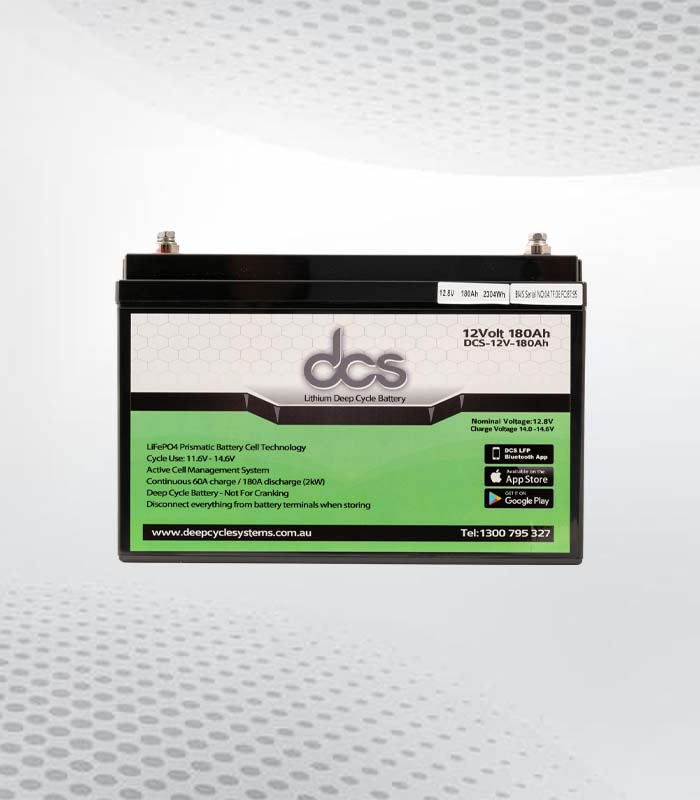
Key Advantages of Using 200Ah Solar Battery
The 200Ah solar battery represents a significant step forward in efficiently harnessing solar power. With its exceptional energy density, this battery model allows for streamlined, less obtrusive installations, seamlessly fitting into varied environmental settings.
Its robust Depth of Discharge (DoD) capability ensures a larger usable energy reserve, facilitating uninterrupted power access, particularly during peak consumption periods or when solar input is limited. This consistent energy availability is essential for maintaining steady operations in both residential and commercial settings.
Furthermore, the durability of lithium-ion technology translates into fewer replacements over the battery’s lifespan, presenting a cost-effective solution in the long term. This longevity is a pivotal factor in reducing waste and the overall environmental footprint of solar energy systems.
The minimal self-discharge rate of the 200-ah solar battery further underscores its efficiency, preserving stored solar energy over extended periods of inactivity. This characteristic is crucial for optimizing solar energy use, ensuring that the harvested power is readily available when needed.
Practical Applications of 200Ah Lithium-Ion Batteries
The versatility of the 200Ah lithium-ion battery extends beyond residential solar energy storage, finding a niche across a diverse array of applications. In the realm of mobile living, such as within recreational vehicles (RVs) and boats, these batteries offer an ideal power solution. Their compact and lightweight nature allows for easy integration into limited spaces, providing reliable power for extended periods. This is particularly advantageous for adventurers seeking off-grid experiences, where traditional power sources are inaccessible.
Additionally, these batteries serve as a backbone for backup power systems designed to support critical infrastructure. In scenarios where power reliability is non-negotiable, such as in hospitals or data centres, the 200Ah lithium-ion battery provides a fail-safe against power outages. Their quick recharge capability and consistent power output ensure minimal disruption during emergencies.
Portable power stations also benefit from the incorporation of 200Ah lithium-ion batteries. Outdoor enthusiasts, from campers to researchers, rely on these portable units for powering essential equipment in remote locations. Their robustness and efficiency make them suitable for a range of outdoor activities and emergency situations, offering peace of mind when venturing into the unknown.
Maintenance Tips for Ensuring Longevity of Your 200Ah Battery
To extend the service life and maintain the efficacy of your 200Ah lithium-ion battery, adhering to a set of maintenance practices is indispensable. It is advisable to keep a vigilant eye on the battery’s charge levels; consistently allowing the battery to deplete fully can be detrimental to its overall health. Employing a charging regimen that avoids taking the battery to either extreme—full discharge or overcharge—is crucial. This approach mitigates the risk of degrading the battery’s capacity over time.
Ensuring the battery is kept in an environment with moderate temperatures is another key consideration. Extreme heat or cold can adversely affect the battery’s functionality and longevity, so storing the battery in a controlled environment is paramount. Avoid exposing the battery to direct sunlight for prolonged periods or storing it in overly hot or frigid locations.
Additionally, it is important to utilise the battery within its designated charge and discharge rates. Subjecting the battery to currents beyond its optimal range can strain the system, leading to potential overheating and reduced lifespan. Regularly inspecting the battery for any signs of wear or damage and promptly addressing these issues can prevent minor problems from escalating into major complications.
By observing these guidelines, you can ensure your 200Ah lithium-ion battery remains a reliable source of power, sustaining its performance and extending its useful life effectively.
Navigating the Market: Tips for Purchasing a 200Ah Lithium-Ion Battery
When embarking on the journey to acquire a 200Ah lithium-ion battery, prioritising the manufacturer’s credibility and the scope of the warranty provided is essential. Established brands often signify reliability and are more likely to honour their warranty commitments, offering peace of mind. The presence of a Battery Management System (BMS) is a crucial feature to look for; it safeguards the battery against common issues such as overcharging and deep discharging, thereby extending its lifespan and enhancing safety.
Evaluating the cost efficiency of a battery involves looking beyond the initial purchase price. A more telling metric is the cost per kilowatt-hour (kWh) of storage capacity, which sheds light on the long-term value the battery offers. This calculation can help discern the true economic benefit of one option over another, making it a key factor in the decision-making process.
Compatibility with existing or planned systems is another pivotal consideration. Ensuring that the battery’s specifications—such as voltage, capacity, and discharge rates—align with the requirements of your application is fundamental to achieving optimal performance and avoiding unnecessary strain on the battery.
Lastly, investigating the possibility of future system expansions is prudent. Confirming upfront that your chosen battery can be efficiently integrated with additional units down the line will provide flexibility as your energy needs evolve, ensuring your system remains adaptable and scalable.
FAQs
What is the expected service life of a 200Ah lithium ion battery?
The durability of a 200Ah lithium-ion battery largely hinges on its utilisation and upkeep. Generally, these batteries are designed to last anywhere from 5 to 15 years. Proper maintenance, such as avoiding extreme discharge and ensuring the battery is not exposed to harsh temperatures, can significantly prolong its lifespan.
Is it possible to augment my existing battery storage setup with additional units in the future?
Expansion of your battery storage is feasible with many models, provided the additional batteries are compatible with the existing setup. It’s vital to maintain uniformity in terms of age and usage levels among all units to ensure the system operates efficiently. Prior to expansion, verifying this compatibility can prevent performance issues.
Considering the cost, do lithium-ion batteries offer a sound investment for solar power systems?
Lithium-ion batteries present a higher initial cost compared to alternatives like lead-acid batteries. However, their extended lifespan, superior efficiency, and minimal maintenance requirements often translate to a more cost-effective solution over time. Their capacity to hold more energy and offer consistent performance under various conditions enhances the overall value they bring to solar power installations, making them a prudent long-term investment.
Bottom Line
The 200Ah lithium-ion battery epitomises the strides made in the domain of energy storage, showcasing itself as an indispensable asset across diverse sectors. Its adaptability for uses ranging from augmenting solar energy systems to ensuring power continuity in mobile and off-grid scenarios underscores its unmatched versatility. The compact footprint, coupled with its enduring nature, underscores its appeal, making it an investment that not only meets but exceeds expectations.
| Other Good Articles to Read |
| Niche Blogs Connect |
| Blogs 97 |
| Blog Stitution |
| Blogs Unplugged |
| Blogs Cotch Rouge |
| Blog Signatr |
| Blog Sintonias |
| Blog Zilla |
| Consumer Forums |
| Finance Forums |
| G Blogs |
| Too Blog |
| Related Business Listings |
| Directory Submissions |
| Regional Directory |